Your Cat Isn’t Thanking You — Why It Really Brings You Dead Animals
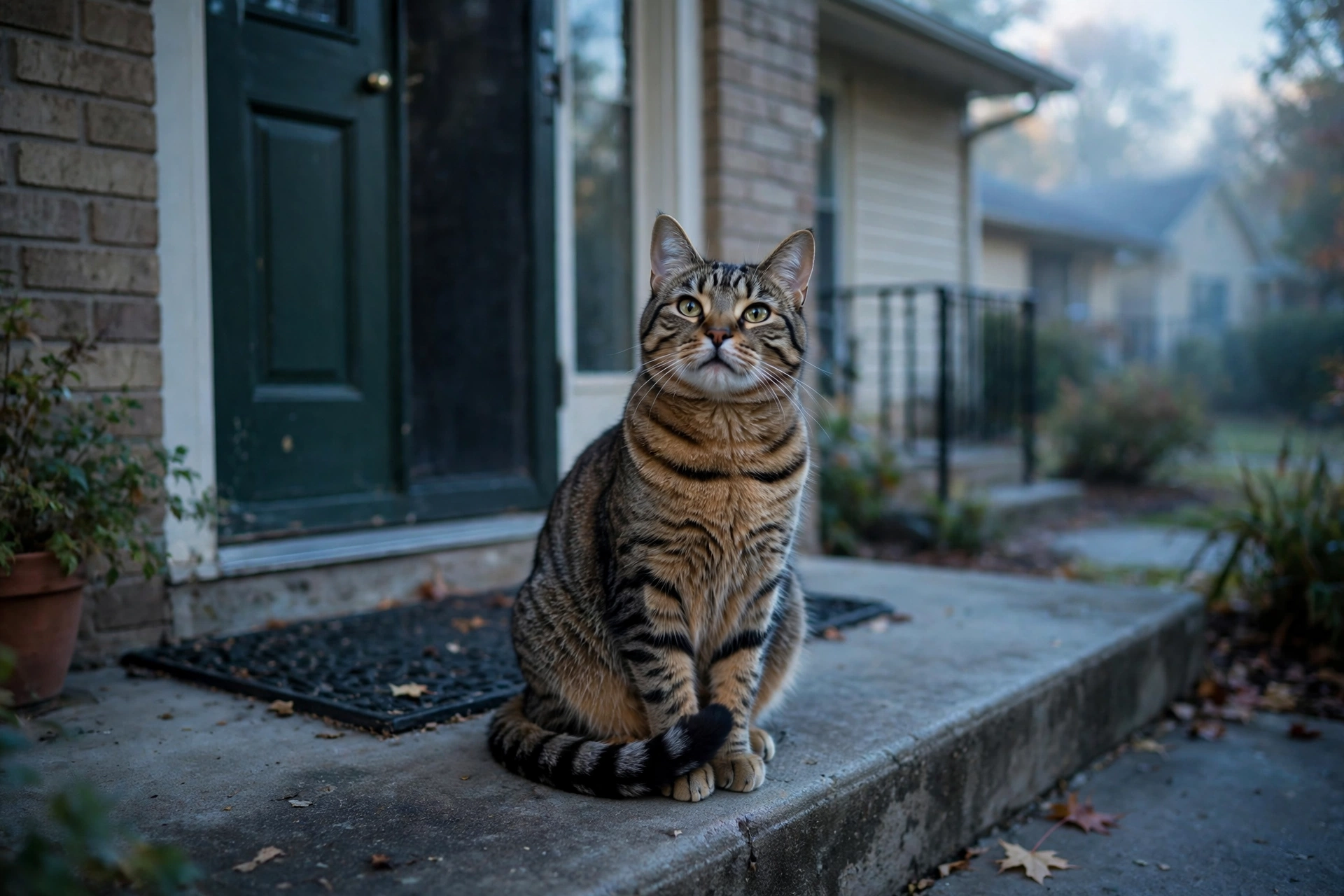
It is seven in the morning and there is a dead mouse on the doormat. Or on the kitchen floor. Or, if your cat is feeling generous, on your pillow. It is intact, neatly placed, and entirely unwelcome — and the cat is sitting beside it, looking pleased with itself.
The usual explanation is that the cat is bringing you a gift, or saying thank you, or showing off. It is a comforting story — and nobody has ever proved it right. So why do cats bring you dead animals? The real answer is messier than the gift story: your cat is a hunter first and a pet second, and the doormat delivery is what happens when a hunter’s instincts meet a house that feeds it.
First, the hunting drive
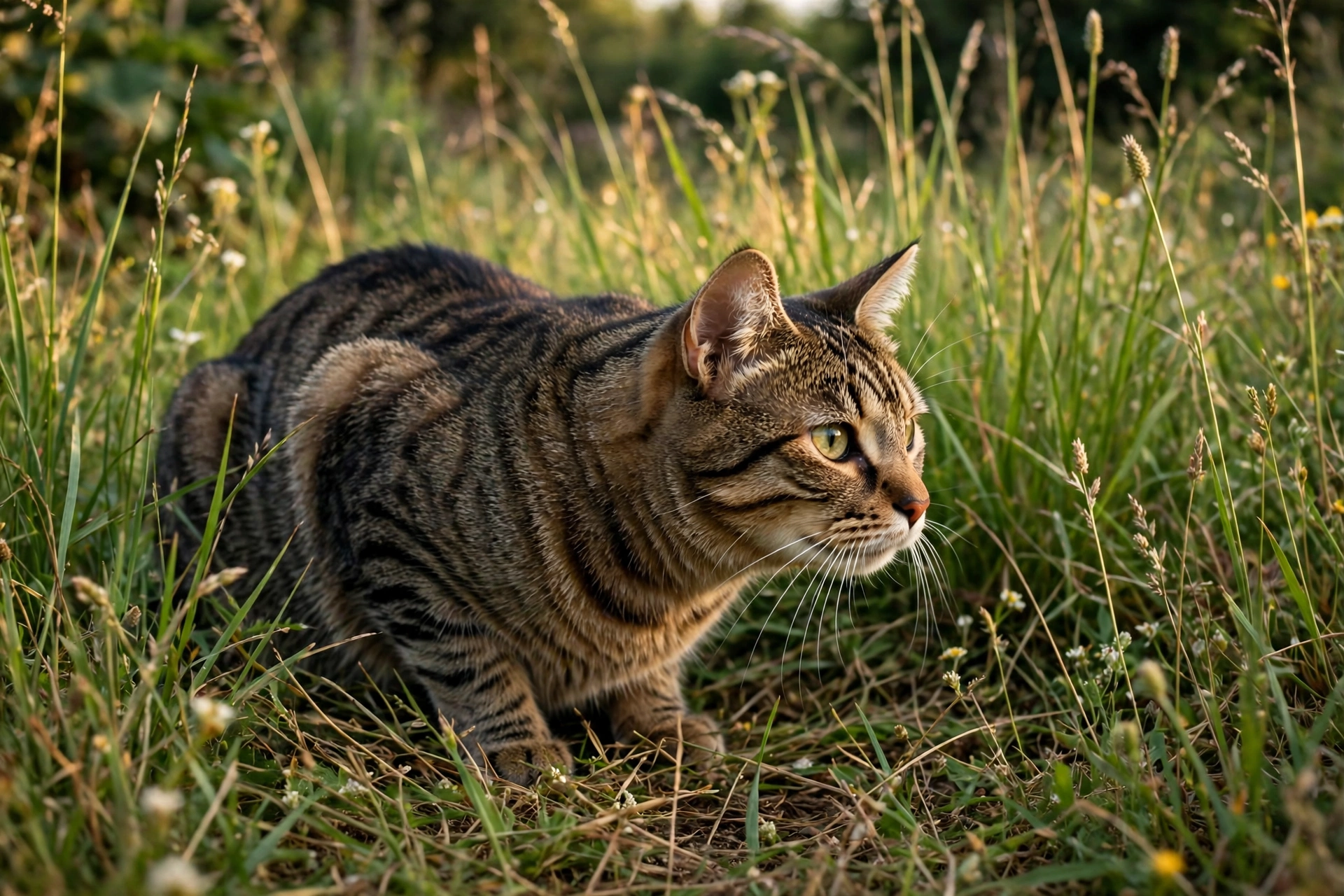
Start with the part that is not in doubt. Cats hunt because they are built to hunt, and they do not stop when the food bowl is full. International Cat Care puts it plainly: the domestic cat is a predatory species, kept mostly to control rodents until quite recently.
The drive also runs separately from hunger. In a 1976 study, cats stopped eating from a food bowl to catch and kill a live rat, then dragged the carcass back near the bowl and returned to their meal, showing almost no interest in eating the rat. Predatory behaviour, WikiVet’s summary concludes, is triggered by the smell, size, and movement of prey, not by hunger. International Cat Care makes the same point the other way round: a hunter that waited until it was hungry to start could starve, given how hard small prey is to catch.
That is why a well-fed cat still hunts. The food bowl fills the stomach; it does nothing to the instinct. Hunting and eating are two separate systems in a cat’s brain, and the bowl only switches one of them off.
The three theories — and why none of them is proven
Hunting explains why the cat kills. It does not explain why the kill ends up on your doormat — why do cats bring you dead animals to the door instead of eating them where they caught them? For that, there are three leading theories, and the honest thing to say first is that none of them has been proven. Live Science put the question to experts in 2025, and the experts disagreed — which is itself the answer.
Theory 1: You are a very large, not-very-good kitten. This is the leading hypothesis, and it starts with how mother cats teach. A mother brings dead prey back for her kittens to eat, then injured prey they can kill themselves, and eventually takes them out to hunt. In this view, a pet cat may see its owner the way a mother sees a kitten. Emmanuelle Baudry, an urban ecologist at Paris-Saclay University, told Live Science that our cats may see us as kittens that need to be fed and taught — which would also explain why some cats bring prey in alive, the way a mother gives her kittens something to practise on. It is not, however, proven: most pet cats that bring prey home are spayed or neutered and have no kittens of their own, yet the behaviour persists. As the veterinarian Dr. Stephanie Liff has pointed out, the instinct is hardwired whether or not the cat has young to teach.
Theory 2: Home is the safest place to eat. The second idea is simpler, and it does not need the cat to think about you at all. A cat that has caught something wants to eat it — or store it — somewhere safe, and home is the safest place it knows. Dr. Liff has described the home as a place of refuge, where a cat can eat in peace or stash a catch. Purina makes the same point: cats prefer to bring prey back to their core territory, where it is safer to eat or store. In this view, you are not the audience.
Theory 3: It really is for you. The third idea is the one everyone wants to believe: the cat is sharing, or showing affection, or saying thank you. Cats do share food with cats they are bonded to, and a cat that regards its owner as family may well be offering something it values. But affection is the hardest of the three to test, and the evidence for it is the weakest. A 2023 article republished by Phys.org made the useful point that the first question should be whether the cat is actually bringing the prey to you — or whether you simply happen to be near where it settled with its catch.
None of the three is settled, and they are not mutually exclusive. What can be said with confidence is only the first part: the cat hunts because it is a hunter, and it brings the catch home because home is where it lives. Everything after that is interpretation — including the thank-you.
Who brings the most, and what they bring
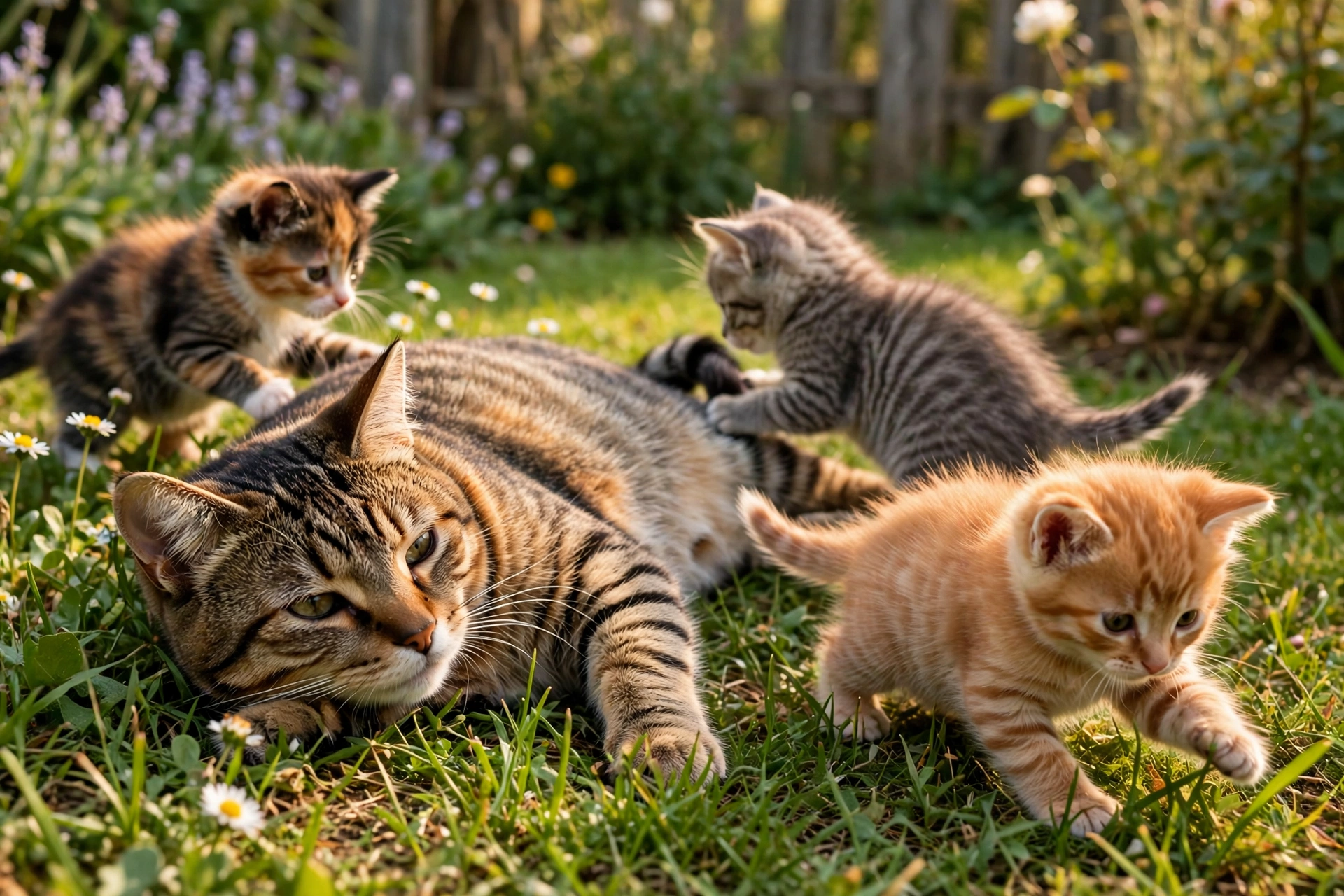
Not every cat does this. Female cats are the most likely to bring prey home, which fits the maternal-teaching theory — though it does not prove it. Outdoor cats bring far more than indoor cats, and younger, fitter cats bring more than old ones.
What they bring is mostly small: mice, voles, shrews, and birds, with the occasional lizard, frog, or large insect. Great Pet Care notes that in the wild, cats hunt 10 to 20 times a day and each attempt succeeds less than half the time — which is why a cat may hunt all night and come home with a single mouse. Most of the prey a pet cat brings home is dead, but some of it is alive: a live mouse released in the living room is the same instinct, the mother cat’s staged lesson with the owner cast as the kitten.
One more thing worth saying plainly: the cat is not being cruel. Playing with prey — batting it, letting it go, catching it again — looks like cruelty from the outside, and it is unpleasant to watch. But it is how a cat tires prey out and practises the kill. A cat does not have a concept of cruelty. It has instincts, and the instincts are old.
The wildlife cost
The doormat delivery is funny until it is counted. A 2013 study by Loss, Will, and Marra, published in Nature Communications, estimated that free-ranging domestic cats in the contiguous United States kill between 1.3 and 4.0 billion birds a year — a median of 2.4 billion — and between 6.3 and 22.3 billion mammals, a median of 12.3 billion. Those numbers are large enough to sound unbelievable, and they are the most careful estimates available, built from 90 previous studies.
But there is a nuance most pet-site coverage leaves out. The majority of that toll — about 69 percent of the bird mortality and 89 percent of the mammal mortality — is caused by un-owned cats: strays and ferals that live entirely outdoors. Owned pet cats account for the smaller share. That does not make an owned cat’s hunting harmless — a single cat in a neighbourhood with nesting birds can do real damage — but it does mean the problem is not mostly your cat.
The solutions below are aimed at owned cats and their owners: the part of the problem you can actually change.
What to do when it happens
First, do not punish the cat. This is the single most important advice in this article, and the one most often ignored. International Cat Care is clear that cats should never be punished for hunting — and punishment does not work anyway, because the cat cannot connect a scolding now with a hunt that happened hours ago. Shouting at a cat teaches it only that you are unpredictable, and it may teach it to hide the next catch somewhere worse.
Second, handle the dead animal safely. Dead prey can carry disease and parasites, so treat it as something to dispose of, not something to pick up bare-handed. The California Department of Fish and Wildlife’s carcass-handling protocols are the right guide: wear gloves, avoid direct contact with body fluids, and wash your hands with soap and water afterwards. Double-bag the carcass if you suspect disease, and put it in the outdoor rubbish bin. Do not let the cat eat it.
Third, if the prey is still alive, do not handle it with bare hands either. Move the cat to another room, put on gloves, and place the animal gently in a ventilated box. If it is uninjured, release it outside, well away from the cat. If it is injured, contact a local wildlife rehabilitator rather than trying to treat it yourself — injured wild animals need specialist care. And check the cat, too: a cat that has been hunting may have picked up fleas or ticks.
Finally, do not make a scene of it in front of the cat. Calmly remove the catch, clean the spot, and move on. The cat will not learn anything from your reaction either way.
What actually reduces it
Here is the good news: this behaviour can be reduced, and a proper study has tested how. In 2021, researchers at the University of Exeter ran a controlled trial with 355 cats in 219 households in south-west England. The results, published in Current Biology, were clear — and two of them were the opposite of what most owners expect.
Feed a high-meat diet: 36% fewer animals brought home. Households given a grain-free food with meat-derived proteins recorded a 36 percent decrease in animals captured and brought home. The researchers were careful about why: it is not clear which element of the food caused the reduction, and they suggested that some cat foods, despite being complete diets, may leave cats short of a micronutrient that hunting then supplies. This is a study result, not a feeding prescription — do not change your cat’s diet on the strength of one study.
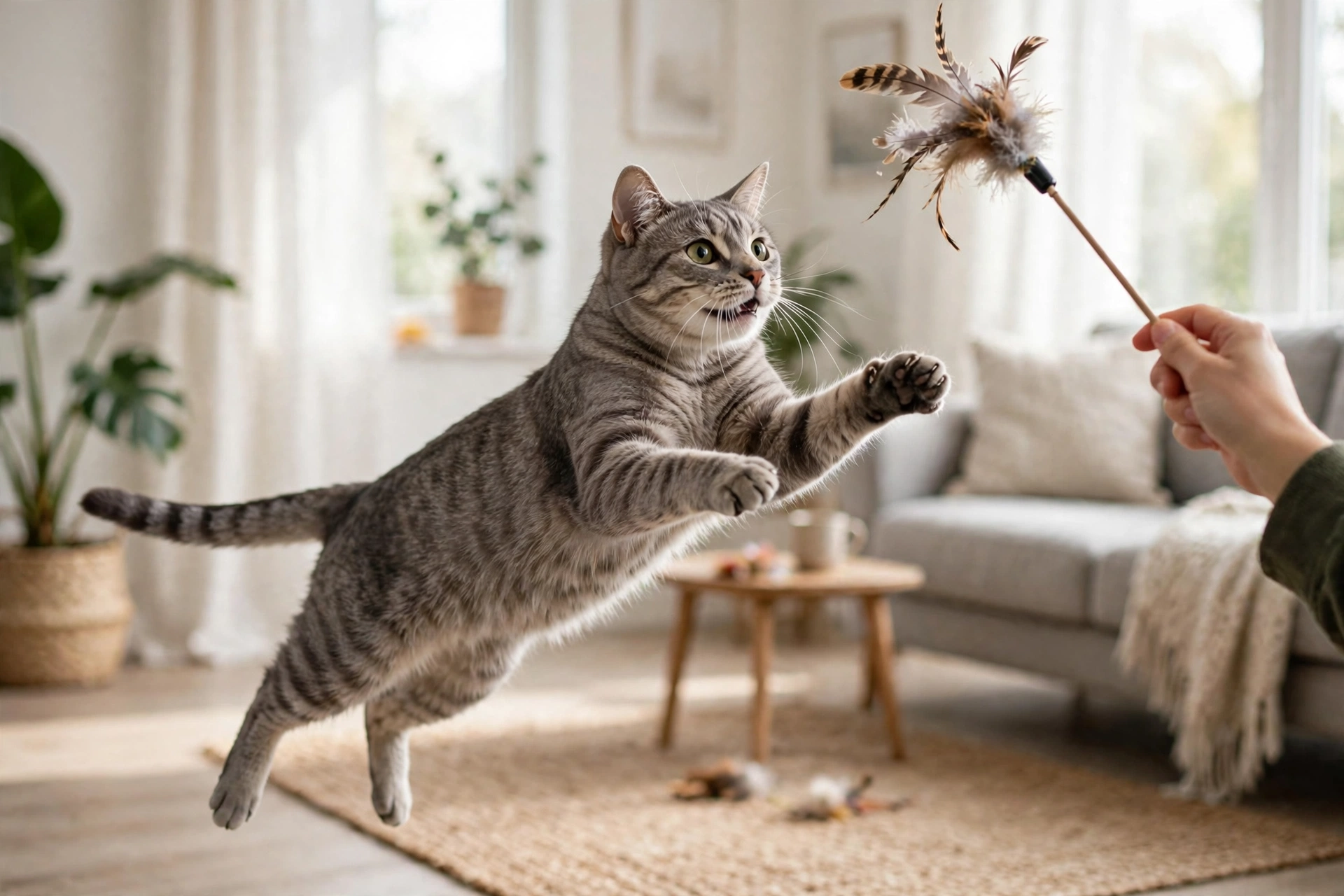
Play with your cat every day: 25% fewer animals brought home. Households where owners played with their cats for five to ten minutes a day with a wand toy and a mouse toy recorded a 25 percent decrease. The play mimics hunting — stalk, chase, pounce — and gives the drive somewhere to go. It is the single easiest intervention in the study. (Play ideas that work in a small home are in “Indoor Cat Enrichment for Small Apartments.”)
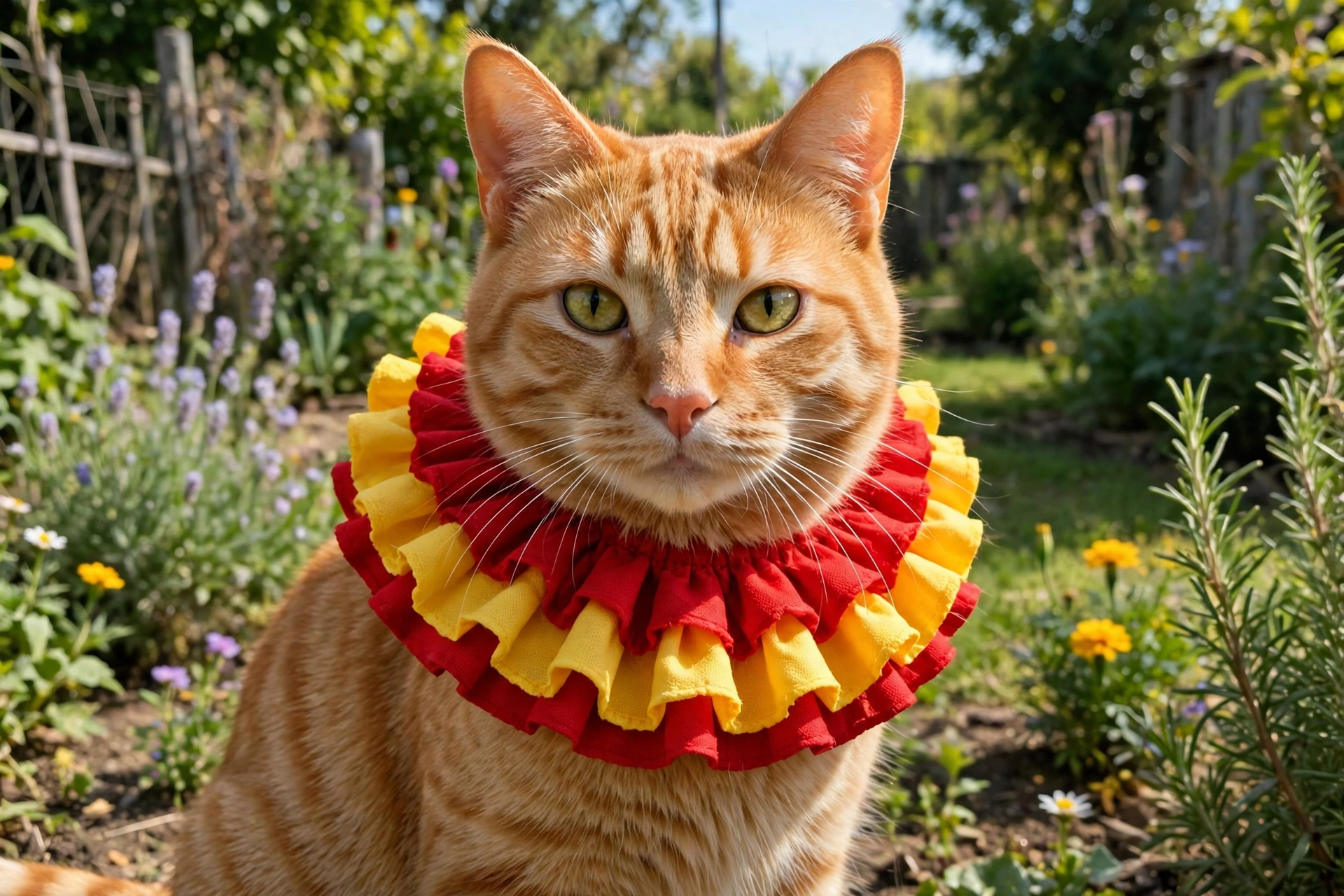
What did not work: puzzle feeders, which increased the number of animals brought home by 33 percent — the researchers speculated the cats may have been frustrated by inexperience with the puzzle. And bells, the classic advice, had no discernible effect at all. Brightly coloured Birdsbesafe collar covers reduced birds brought home by 42 percent, but had no effect on mammals. The lesson: the things that work change what the cat wants to do, not the ones that try to stop it doing it.
One more practical step: keep the cat indoors at dawn and dusk, when prey is most active. A cat that is inside at 5 a.m. is a cat that is not hunting at 5 a.m. — and not bringing anything home at 7.
Frequently asked questions
Why do cats bring you dead animals — is it a gift?
Possibly — but nobody has proved it. The three leading explanations are that the cat sees you as a kitten that needs feeding and teaching, that home is simply the safest place to eat or store a catch, or that it is genuinely sharing. The gift story is the most popular, and the least testable.
Should I punish my cat for bringing home dead animals?
No. Punishment does not work — the cat cannot connect a scolding now with a hunt that happened hours ago — and it can damage the cat’s trust in you. Remove the catch calmly and put the effort into the things that do reduce hunting: daily play and, if your vet agrees, a high-meat diet.
Do bells on collars stop cats hunting?
No — or at least, not measurably. In the University of Exeter’s 2021 trial, cat bells had no discernible effect on the number of animals brought home. Brightly coloured Birdsbesafe collar covers reduced birds by 42 percent but had no effect on mammals. What worked was a high-meat diet (36 percent fewer) and five to ten minutes of daily play (25 percent fewer).
Why does my cat bring live animals inside?
For the same reason it brings dead ones, with one difference: a mother cat gives her kittens injured prey to practise on, and a pet cat may be doing the same thing to you. If the animal is alive, move the cat to another room, put on gloves, place the animal in a ventilated box, and release it outside away from the cat if it is uninjured — or contact a local wildlife rehabilitator if it is injured.
Is it dangerous to handle a dead animal my cat brought home?
It can be. Dead wild animals can carry parasites, bacteria, and diseases that pass to people and pets. Always wear gloves, avoid touching body fluids, double-bag the carcass, and wash your hands with soap and water afterwards. Do not let the cat eat it. If you are pregnant or immunocompromised, ask someone else to dispose of it.
The dead mouse on the doormat is not a thank-you note, and it is not a crime. It is a hunter doing what hunters do, in a house that feeds it and a world that still has mice in it. The cat is not being grateful, and it is not being cruel. It is being a cat — and once that is understood, the right response is gloves, a bag, and five minutes with a feather wand tomorrow.