Your Cat’s Pupils Are Slits for a Reason — and It Is Not Just About Light
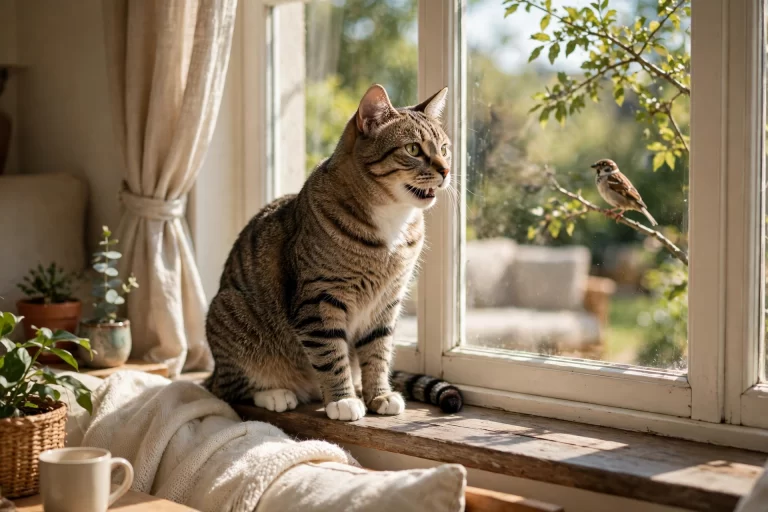
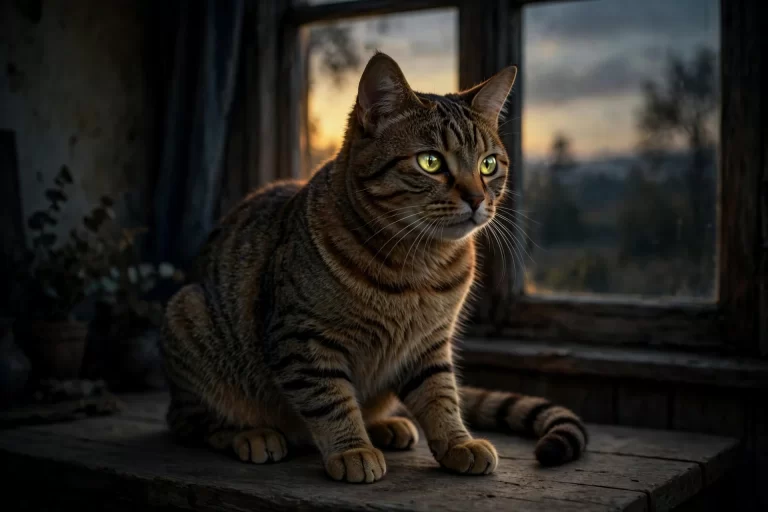
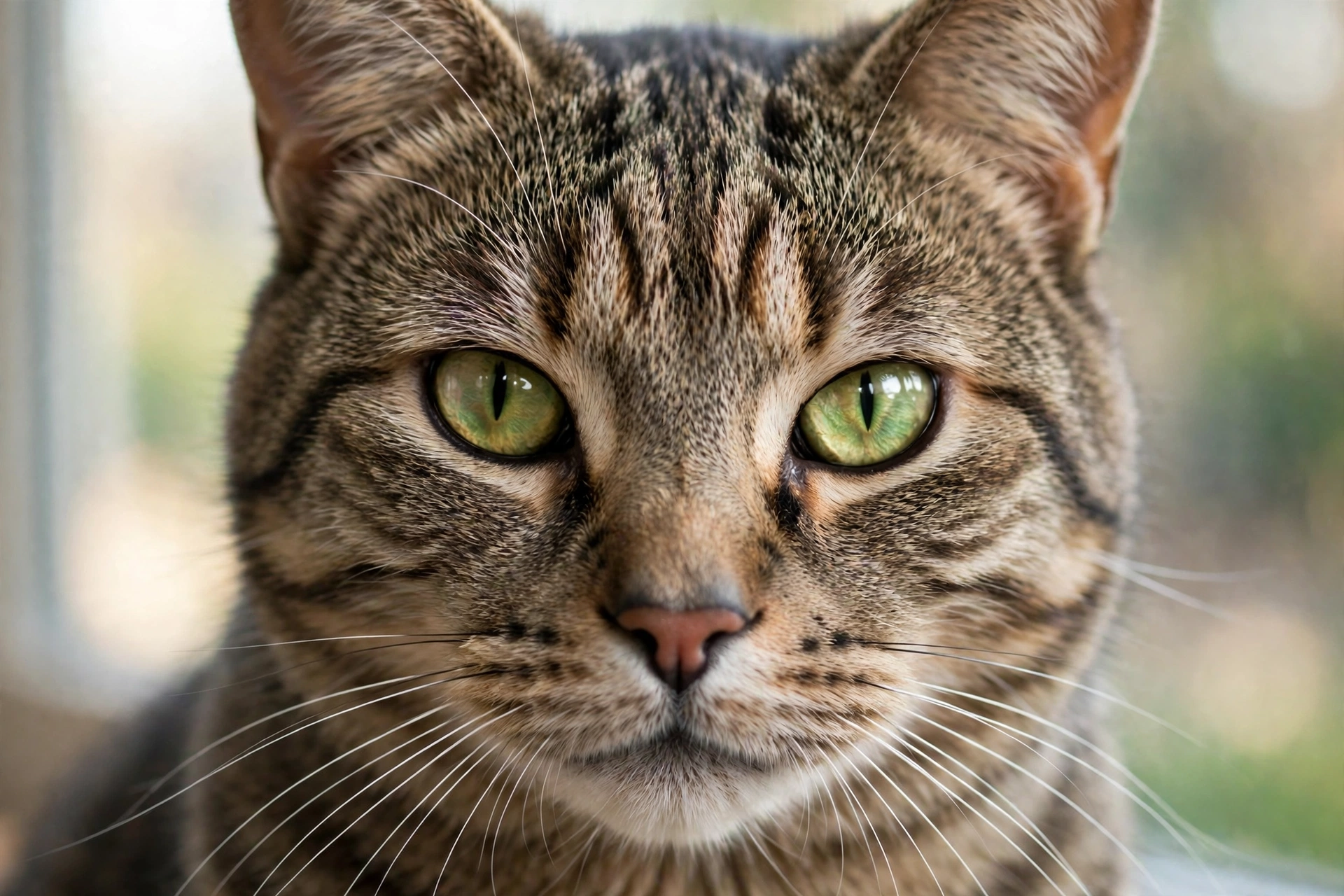
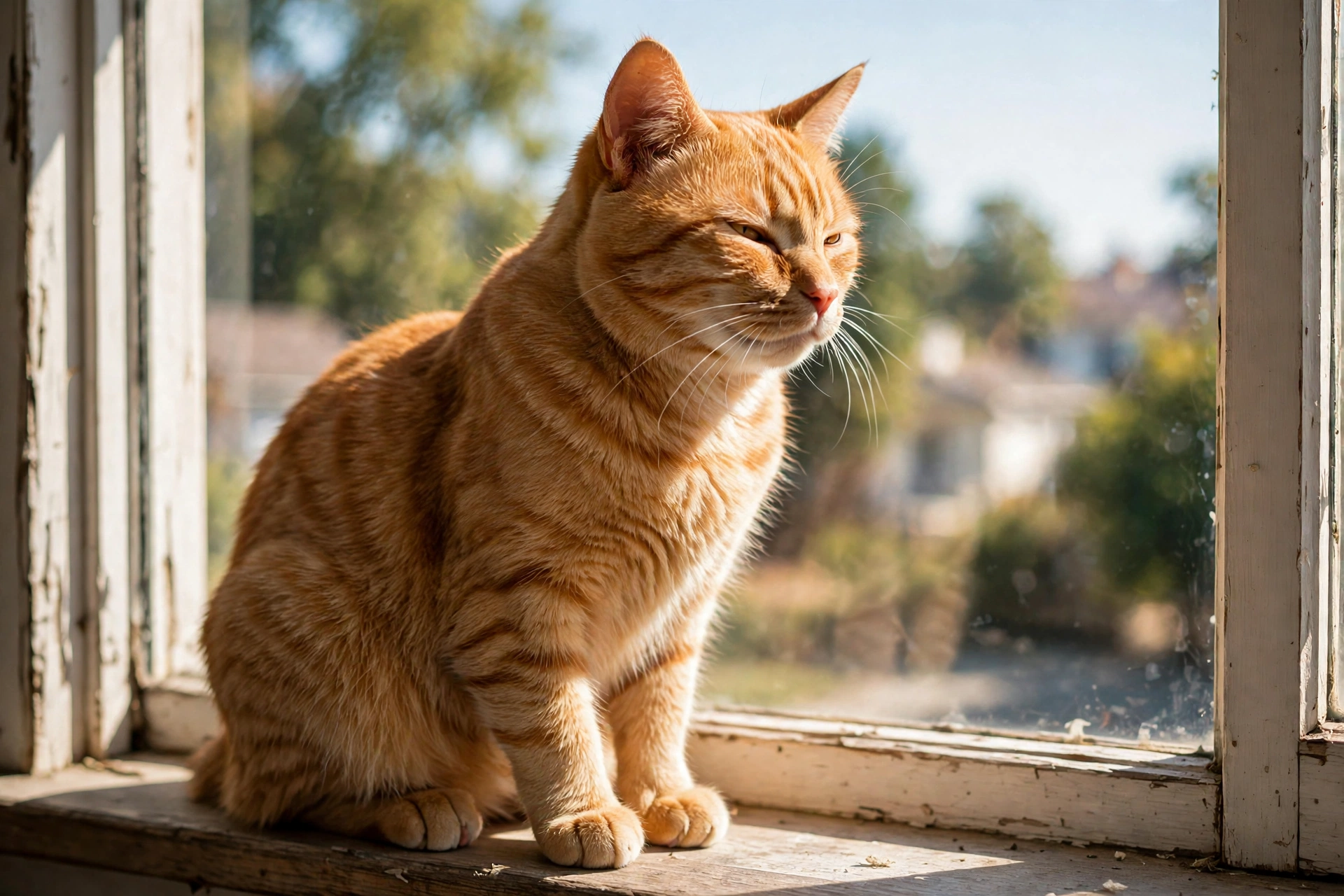
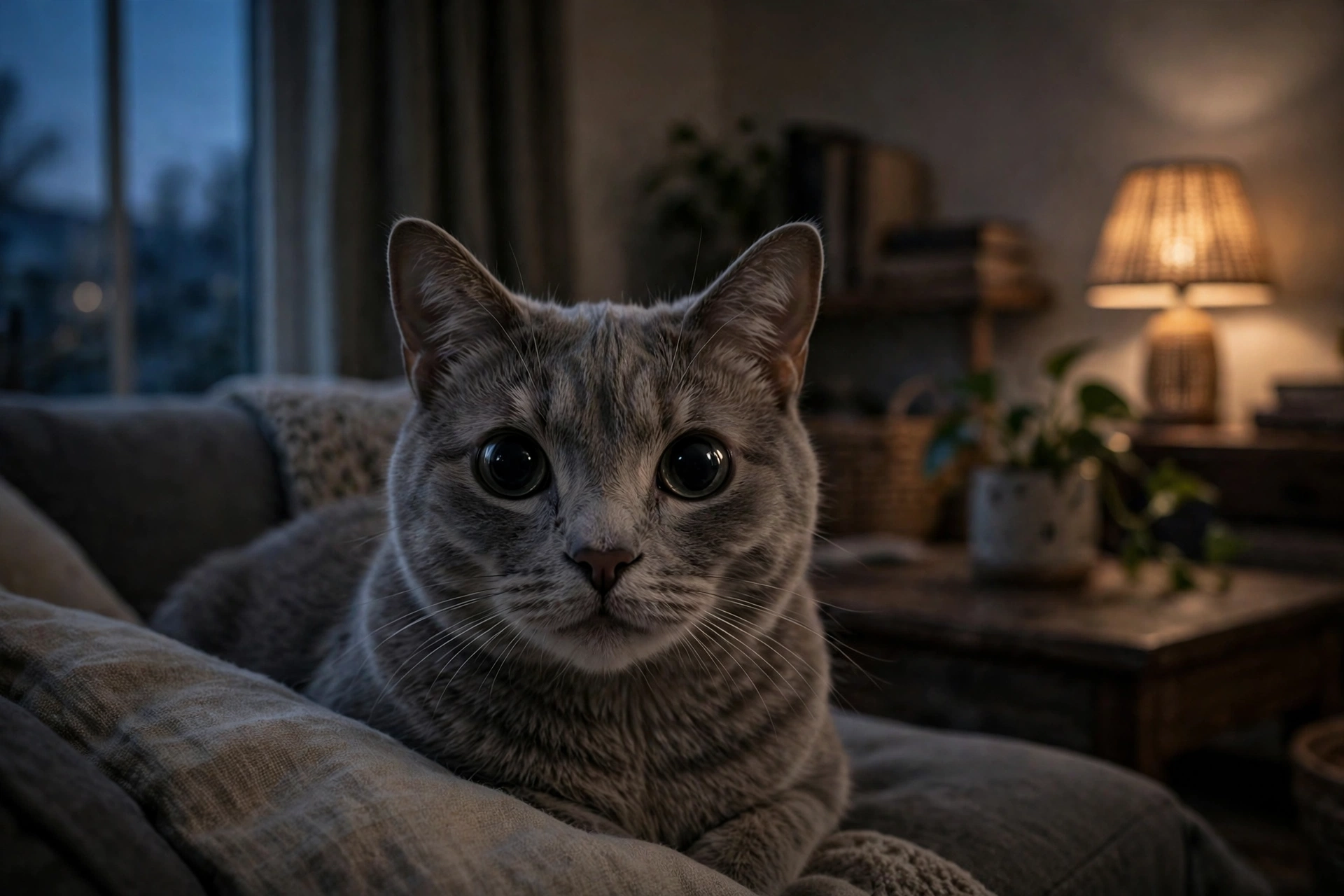
Watch your cat’s eyes over a single day and you will see two different animals looking back. At noon on the windowsill, the pupils are thin black slits, barely wider than a pencil line. By dusk, in the same room, the same eyes are wide, round and almost entirely black, like saucers. Nothing about the cat has changed except the light — yet the shape of its eyes has completely transformed.
Most people assume the slit is just a shutter, a way to let in more or less light. That is true, and only half the story. The vertical slit is also a measuring instrument: it helps a cat judge exactly how far away its prey is before it pounces. And the reason it is vertical, rather than round or horizontal, comes down to how a cat makes its living — low to the ground, hidden, waiting, then lunging.
So why do cats have vertical pupils? Because they are ambush hunters that work in both blazing sun and near-darkness, and the slit solves two problems at once: it controls light across an enormous range, and it sharpens distance judgment in exactly the direction a pouncing cat needs.
The first job: a shutter with a huge range
The pupil is the hole in the middle of the iris, the coloured ring of muscle around it. It opens to let light in and closes to keep light out. Your pupils do the same thing, but yours are round, and round pupils have a limited range. A cat’s slit pupil can change its area far more dramatically.
The numbers come from a 2015 study by Martin Banks and colleagues at UC Berkeley and Durham University, in Science Advances. A domestic cat’s pupil changes area by about 135-fold between its most constricted and dilated states. A human pupil changes by about 15-fold. A gecko, another slit-pupil hunter, manages about 300-fold.
The slit shape is what makes that range possible. A round pupil closes like a camera aperture, with a ring of muscle squeezing inward. A slit pupil has two extra muscles that press the opening closed from the sides, like sliding doors — so it can narrow to a hairline in bright sun and open to a full circle in the dark.
Cats need that range because they work in both extremes. They are crepuscular hunters, most active at dawn and dusk when light is low — but they are also out in midday sun. An eye built only for the dark would be dazzled at noon; one built only for daylight would be blind at dusk. The slit pupil lets one eye do both jobs.
In bright light, the slit closes to a thin line, shielding the sensitive retina from glare. In dim light, it opens wide and round to gather every photon. Watch a cat walk from a dark hallway into a sunny room and you can see the change happen in seconds: saucers become slits before your eyes.
That light control is one part of the cat’s dim-light toolkit, and the part this article is about. The rest — the rod-packed retina, the reflective tapetum lucidum that bounces light back through the eye for a second pass — is covered in the site’s night-vision article.
The second job: measuring the pounce
Light control explains why the pupil is a slit. It does not explain why the slit is vertical. For that, the same 2015 study looked at 214 terrestrial species and found a striking pattern: animals with vertical pupils are overwhelmingly ambush predators active both day and night. Cats, snakes, crocodilians, geckos — unrelated animals that arrived at the same eye shape independently, because they hunt the same way.
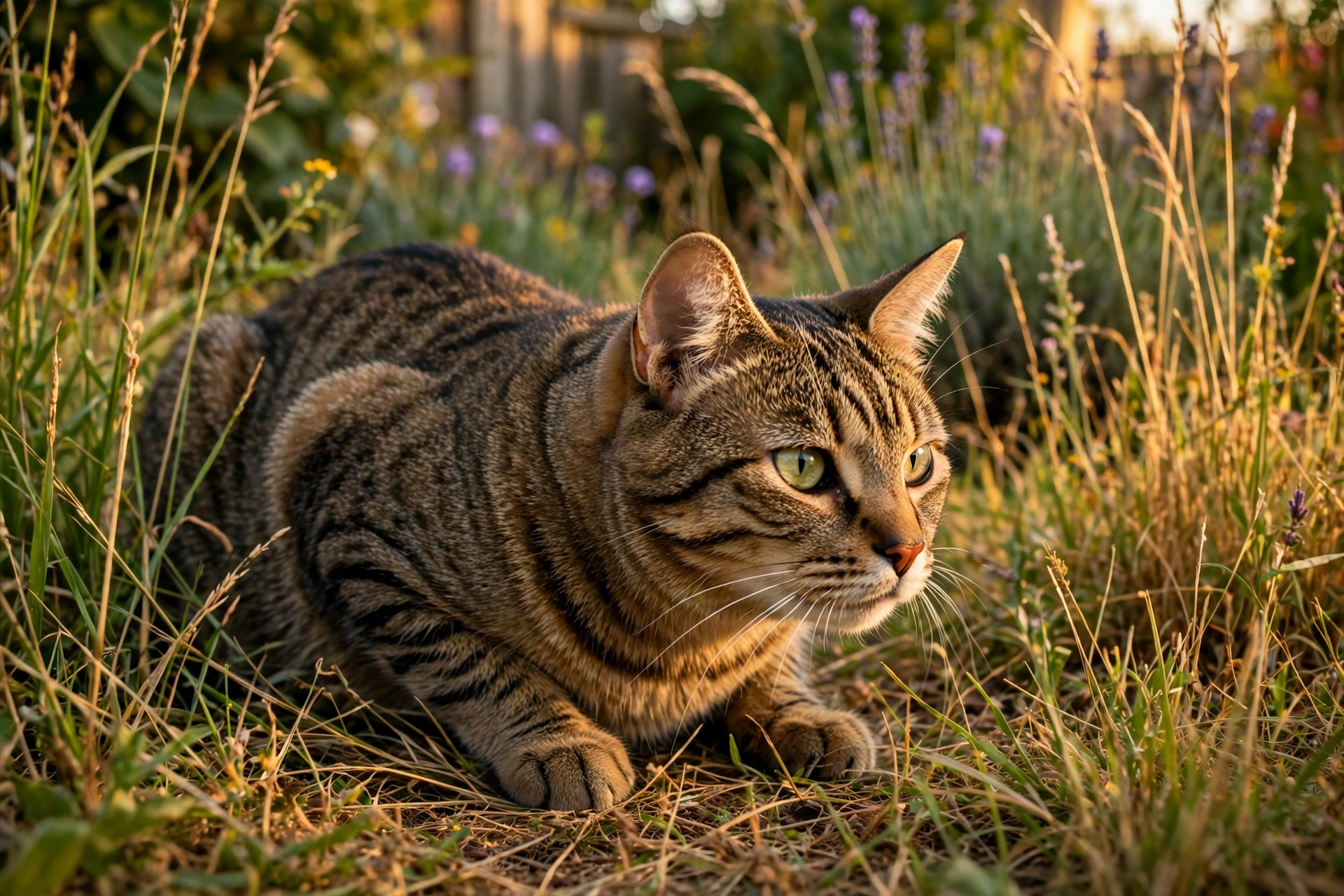
An ambush predator‘s problem is distance. It crouches low, hidden, watching a mouse across the grass — then it has to lunge exactly the right distance, in one explosive movement, with no second chance. Misjudge by a few centimetres and the mouse is gone.
The vertical slit helps with an optical trick. A slit pupil does not blur everything equally when something is out of focus: it keeps vertical edges relatively sharp across a range of distances, while horizontal edges blur more quickly. Vision scientists call this astigmatic depth of field.
That selective blurring lets the cat run two distance-measuring systems at once. For vertical contours — the edge of a mouse against the grass, a blade standing upright — it uses stereopsis, comparing the slightly different images from its two eyes, the way you judge distance with two eyes. For horizontal contours — the ground itself, the line where grass meets path — it uses defocus blur: how fuzzy something looks tells the brain how far in front of or behind the focus point it sits.
A round pupil blurs everything the same way, so it cannot separate the two signals. A vertical slit splits them apart: sharp vertically, blurred horizontally, and the brain reads both at once. The result is a precise sense of how far away something is on the ground in front of the cat — exactly what a crouching hunter needs before it pounces.
This is not a guess. The correlation held up even when the researchers controlled for evolutionary relatedness, so cats did not simply inherit slit pupils from a shared ancestor. Cats, vipers, crocodilians and small predatory lizards each arrived at vertical slits separately. The driving force was the same in every case: judging distance with extreme precision across wildly different light, from noon sun to deep twilight.
Why vertical, not horizontal?
If a slit pupil is so useful, why do some animals have horizontal slits instead? Goats, sheep, deer and horses all have pupils stretched sideways, like a wide letterbox. The same 2015 study found the pattern just as clearly: animals with horizontal pupils are overwhelmingly prey animals, with eyes on the sides of their heads.
A prey animal’s problem is the opposite. It does not need to measure one target precisely. It needs to spot danger from any direction, across a wide sweep of ground, while its head is down grazing. A horizontal pupil maximises light along the horizontal plane, giving a wide panoramic view — and because it is short vertically, it cuts down the blur at the edges of the eye when the animal runs with its head forward.
Remarkably, these animals’ eyes rotate in their heads to keep the pupil level with the ground even as the head pitches down to graze or up to look around — the left eye one way, the right eye the other — so the horizontal slit stays horizontal. Pupil shape and eye movement work together as one system.
So the slit’s orientation tells you what the animal does for a living. Vertical means “I hide, I measure, I lunge.” Horizontal means “I graze, I watch everywhere, I run.” Your cat’s eyes are slits for the same reason a goat’s are letterboxes: each shape is the right tool for a different job.
The cats that break the rule
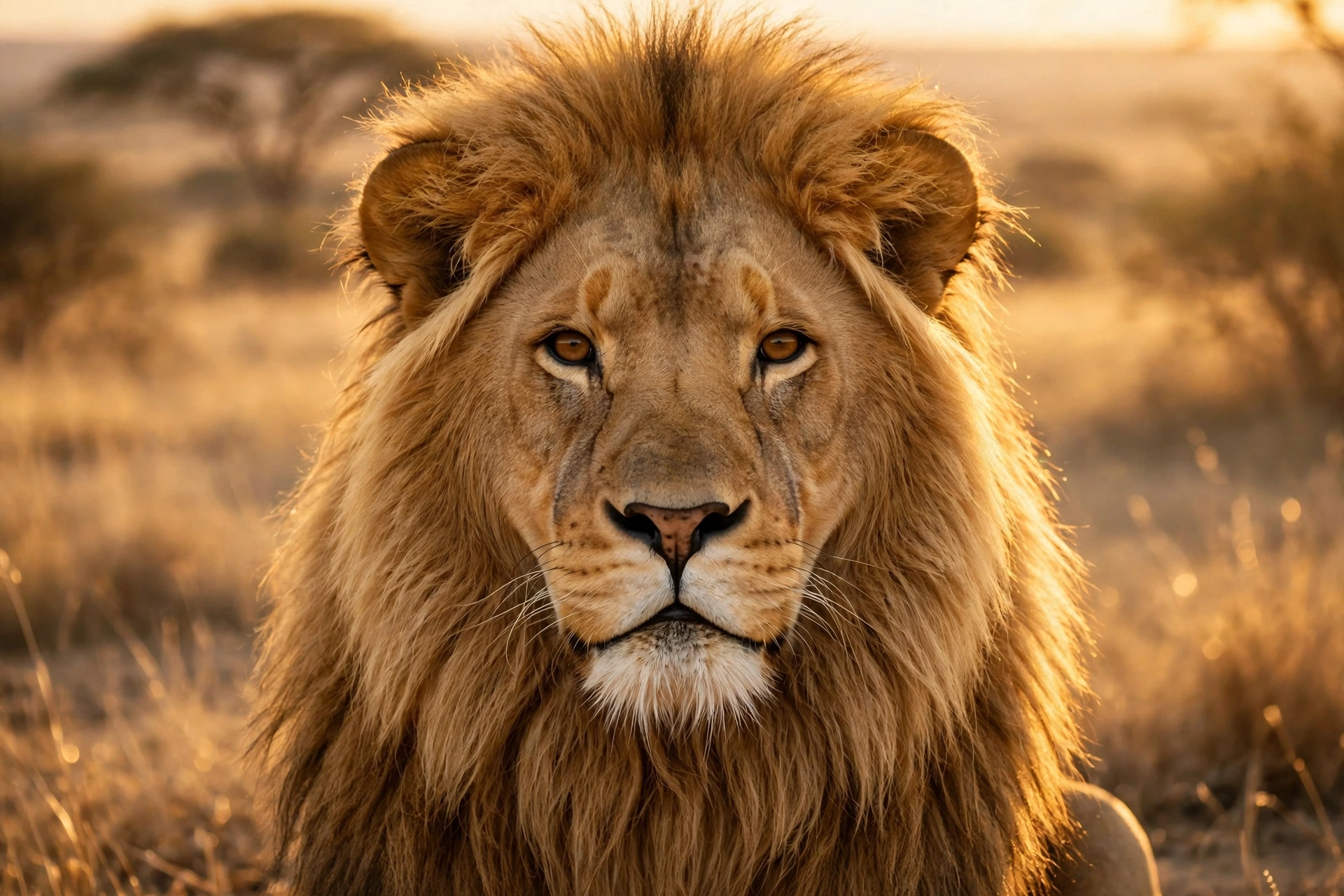
If vertical slits are so good for cats, why do lions and tigers have round pupils? It is a fair question, and the answer sharpens the rule rather than breaking it.
Big cats are taller off the ground, and they hunt differently. Lions hunt in groups and chase prey down across open ground; tigers are large enough to overpower prey at close quarters after a short stalk. Neither depends on the low, hidden, precisely measured pounce a small cat’s whole hunting style is built around. Their eyes sit higher, their prey is bigger, and the distance problem is less exacting — so the slit’s advantage shrinks and round pupils do the job.
The cheetah and the puma make the same point from the other direction. Both are close relatives of small cats, yet both have round pupils — because both are pursuit hunters that run prey down at speed rather than ambushing it from cover. Hunting style shapes the eye, not the family tree.
The most telling exception is the Pallas’s cat, a small wild cat about the size of a domestic cat, living on the high steppes of Central Asia. It has round pupils. Its home is open, treeless country with blinding snow, vast horizons and almost no cover to ambush from. In that glare, with prey visible from far away against a bright backdrop, a round pupil works better than a slit. The environment, not the species, made the call.
The rule, then, is not “all cats have slit pupils”. It is “the pupil matches the hunt”. Your house cat is a low, crouch-and-pounce hunter that works from noon to midnight, and the vertical slit is the eye that style built.
What your cat’s pupils are telling you
A cat’s pupils change for two reasons, and only one is light. The other is arousal — the same surge of adrenaline that speeds up the heart also widens the eyes. Play, excitement, fear, aggression and predatory focus all push the pupils open, because the sympathetic nervous system, the body’s fight-or-flight wiring, drives both.
That is why a cat chasing a feather wand has huge round eyes in a bright room, and why a cat that has just heard a loud bang looks wide-eyed in daylight. The pupils are reporting that the cat’s whole system has switched on.
It also means you cannot read a cat’s mood from pupil size alone. A cat with big pupils could be thrilled, terrified, in pain, or just standing in a dim hallway. The size only makes sense with the rest of the cat: ears forward and tail twitching means play; ears flat, body low and tail lashing means trouble. The pupils are one signal among many, most useful combined with the others.
A few patterns are worth knowing. In bright light, narrow slits are normal — the eye is protecting itself. In dim light, wide round pupils are normal too. What deserves a closer look is a pupil that does not match its light: huge round pupils in bright daylight, day after day, especially if the cat is also hiding, eating less or moving oddly, is worth mentioning to a vet.
One more: if the two pupils are clearly different sizes, contact a vet promptly. Unequal pupils are not a mood or a lighting effect, and not something to wait out. The same goes for a pupil that stays huge and unresponsive, or an eye that looks cloudy. Pupils are a window into the eye, and the eye is not a place for guesswork.
The trade-off
The slit is a brilliant compromise, but still a compromise. The same astigmatic effect that sharpens distance judgment can hurt fine pattern recognition — picking out small details and telling similar shapes apart. Humans, with round pupils, read text and recognise faces with ease; a slit pupil blurs the world in one direction, and that costs something.
Cats pay that cost gladly: their hunting does not depend on fine detail. A cat does not need to read the label on the mouse — it needs to know exactly where the mouse is, in light that changes from noon to midnight, and to get there in one leap. The slit gives it that, and gives up a little sharpness in exchange.
That is also why movement matters so much to a cat. A still object in dim light is hard for a cat to resolve in detail; a moving one is unmistakable. The eye is built for motion and distance, not for still lifes — which is why a feather wand in any colour beats a motionless toy, and why your cat can spot a moth across a dark room but walk straight past a treat in plain sight.
Your cat’s eyes are not a worse version of yours — a different instrument, tuned for a different job: a low hunter that measures its pounce in the half-light. The slit is the shape that job takes.
Frequently asked questions
Do cats have vertical pupils all the time?
No. The slit is the pupil’s shape when it is partly closed, in normal or bright light. In dim light the pupil opens wide and looks round, just like yours. The vertical slit appears as the pupil narrows — so a cat’s eyes can look slit-shaped at noon and saucer-round at dusk.
Why do my cat’s pupils get so big at night?
Two reasons, usually at once: the light is low, so the pupils open to gather more of it, and the cat is often more alert at dusk and dawn, which adds arousal-driven dilation on top. Wide round pupils in a dim room are normal. The same size in bright daylight, day after day, is worth mentioning to a vet.
Why do cats’ eyes look like snakes’ eyes?
Because cats and snakes solved the same problem the same way. Both are ambush predators that need precise distance judgment across changing light, and vertical slit pupils are the optical solution evolution keeps arriving at. It is convergent evolution, not a family resemblance.
Do all cats have slit pupils?
No. Domestic cats and most small wild cats do, but lions and tigers have round pupils, as do cheetahs, pumas and the Pallas’s cat. The shape follows the hunting style and the habitat, not the species: low ambush hunters get slits, taller pursuit hunters get round pupils.
Should I worry if one of my cat’s pupils is bigger than the other?
Yes — contact a vet promptly. Unequal pupil sizes are not a mood or a lighting effect, and they are not something to wait out. The same applies to a pupil that stays huge and does not respond to light, or an eye that looks cloudy.
The next time your cat’s eyes change shape in front of you — slits on the windowsill, saucers at dusk — you will know what you are watching. That is the full answer to why do cats have vertical pupils: not a quirk, and not a mood on its own, but a precision instrument doing two jobs at once, shutting out the noon sun and measuring the distance to the next pounce.