50 Nature Cat Names That Sound Like a Walk in the Woods
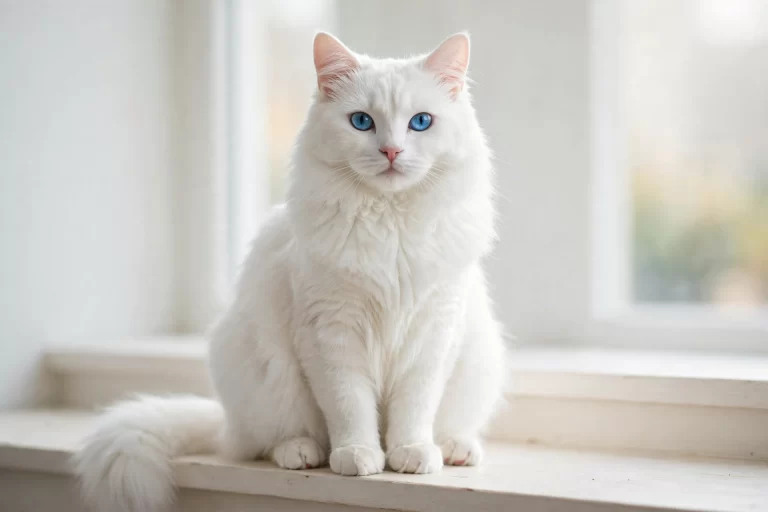
Somewhere in your house, right now, a cat is sitting on the windowsill watching a leaf fall. It does not care whether that leaf came from an oak or a maple. But you do, because you are the one who has to call this cat by a name for the next fifteen years, and “Fluffy” is starting to feel like a missed opportunity.
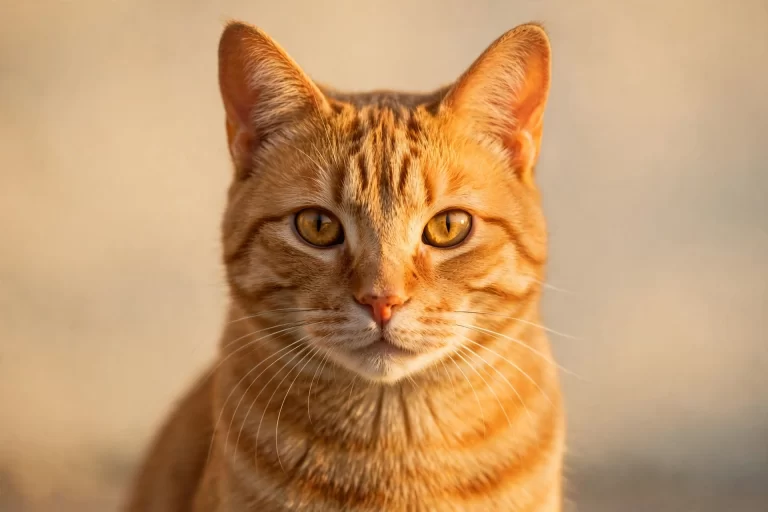
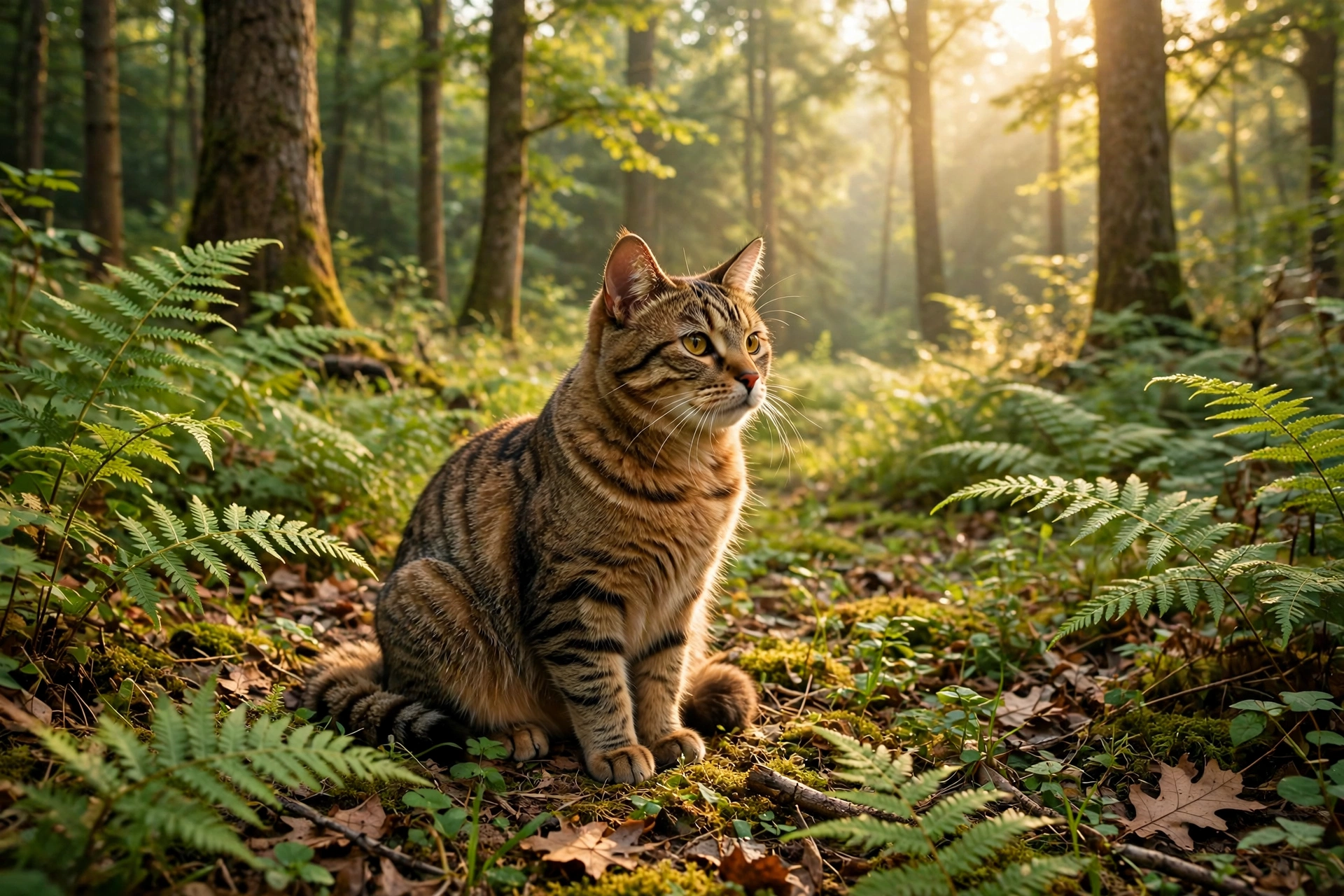
A nature name is a small promise. It says your cat belongs to the world outside the four walls, even when it lives inside them. It works for a tabby the colour of autumn bark and for a grey cat the colour of a November sky. And unlike a name borrowed from a television show, it will not sound dated in five years, because trees and rivers do not go out of fashion.
This list of nature cat names gives you fifty of them, organised the way you would actually walk through the outdoors: through the trees, across the meadow, under the sky, along the water, and up the mountain. Every name comes with its real meaning, so you can pick one you can explain when someone asks. And if you are choosing for a kitten, the good news is that kittens do not care what you call them for the first few weeks, so you have time to try a name on and see whether it sticks. The best names are the ones that still sound right on the tenth day, not just the first.
How to pick a nature name that actually fits
Before you scroll, three quick tests. First, say the name out loud three times, the way you would call a cat in from the garden — if it feels silly in your mouth, it will feel silly for fifteen years. Second, match the cat, not the room: a name should fit the animal, not the colour of your sofa. Third, check the two-syllable rule — most cats respond best to names with one or two syllables, because the sound is short enough to cut through a room. Almost every name on this list passes that test, and the few that do not are worth it anyway.
Then give the name a week. Call it at feeding time, at playtime, and from the next room, and watch whether the cat starts to turn its head. A name that earns a head-turn in the first week is a keeper; a name the cat ignores for seven days is a name you will be repeating for fifteen years, so it had better be one you love saying.
Trees and forests
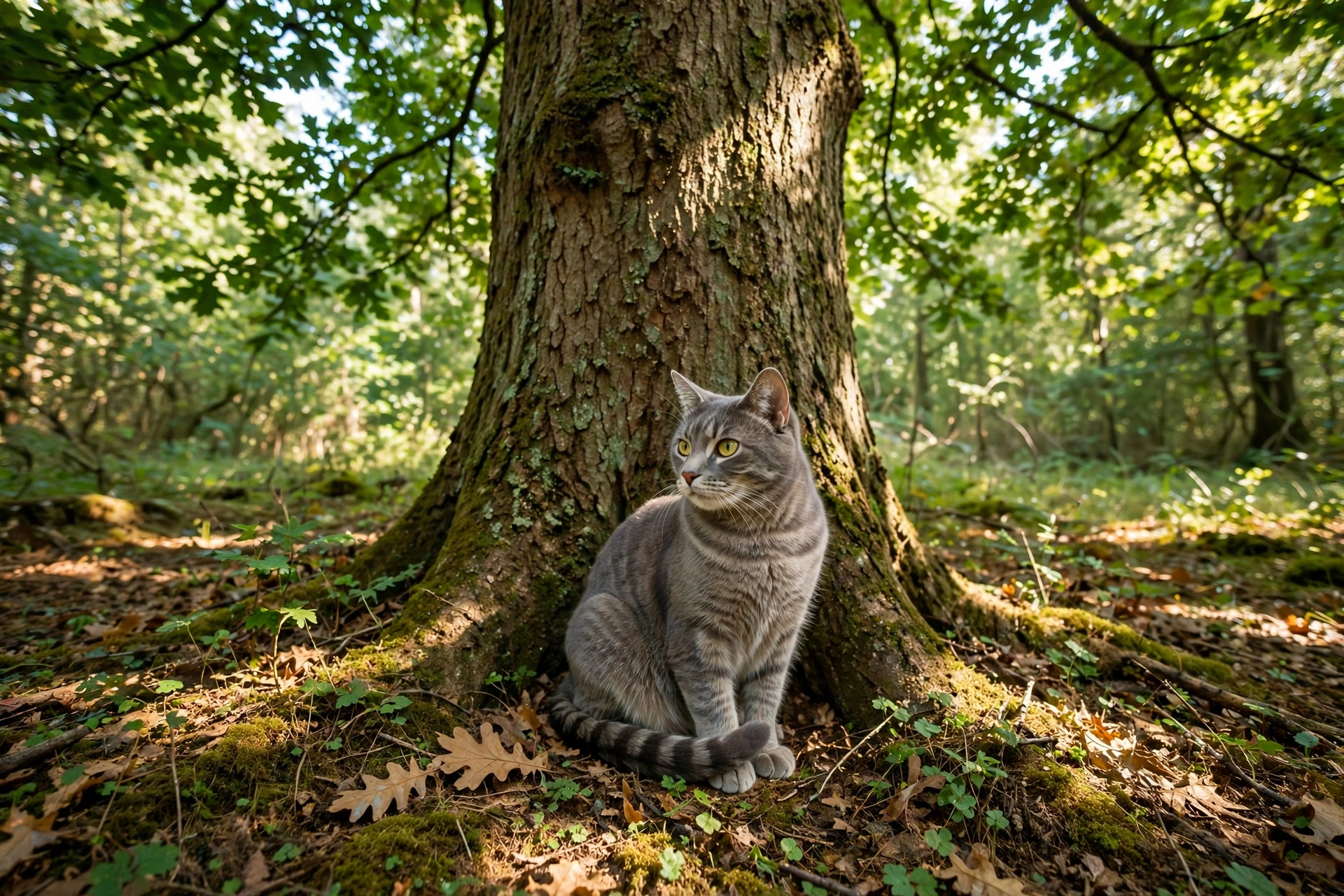
These are the names of the woods themselves — tall, rooted, and older than any of us. They suit cats who are calm, steady, and a little bit stubborn about where they sit.
- Aspen — a tree whose leaves tremble in the slightest breeze. For the cat who is always watching something you cannot see.
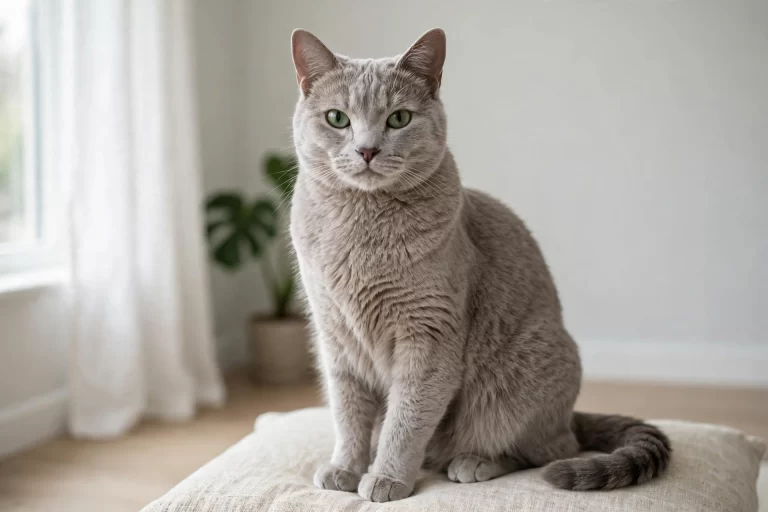
- Juniper — an evergreen shrub with dusty blue berries. A good fit for a grey-blue cat with a sharp, bright personality.
- Cedar — a tall evergreen with fragrant wood. Strong and quiet, for the cat who smells faintly of sunshine and sawdust.
- Rowan — a tree with clusters of bright red berries, said in folklore to protect against enchantment. For the cat who looks like trouble and acts like a guardian.
- Alder — a tree that grows along rivers, whose wood hardens in water instead of rotting. For a tough, water-loving cat.
- Birch — a slender tree with white, peeling bark. For a pale cat, or a cat who looks delicate and is not.
- Sequoia — the giant redwood, named for Sequoyah, the Cherokee scholar who created the Cherokee syllabary. For a big cat with a big presence.
- Cypress — a tall, narrow evergreen, the tree of gardens and old cemeteries. For a long, elegant cat who moves like a shadow.
- Elm — a tall shade tree with arching branches. For the cat who owns the biggest chair in the house and shares it with no one.
- Oak — the sturdy hardwood, a symbol of strength in almost every culture that has one. For the cat who is built like a small tank and knows it.
Wildflowers and meadows
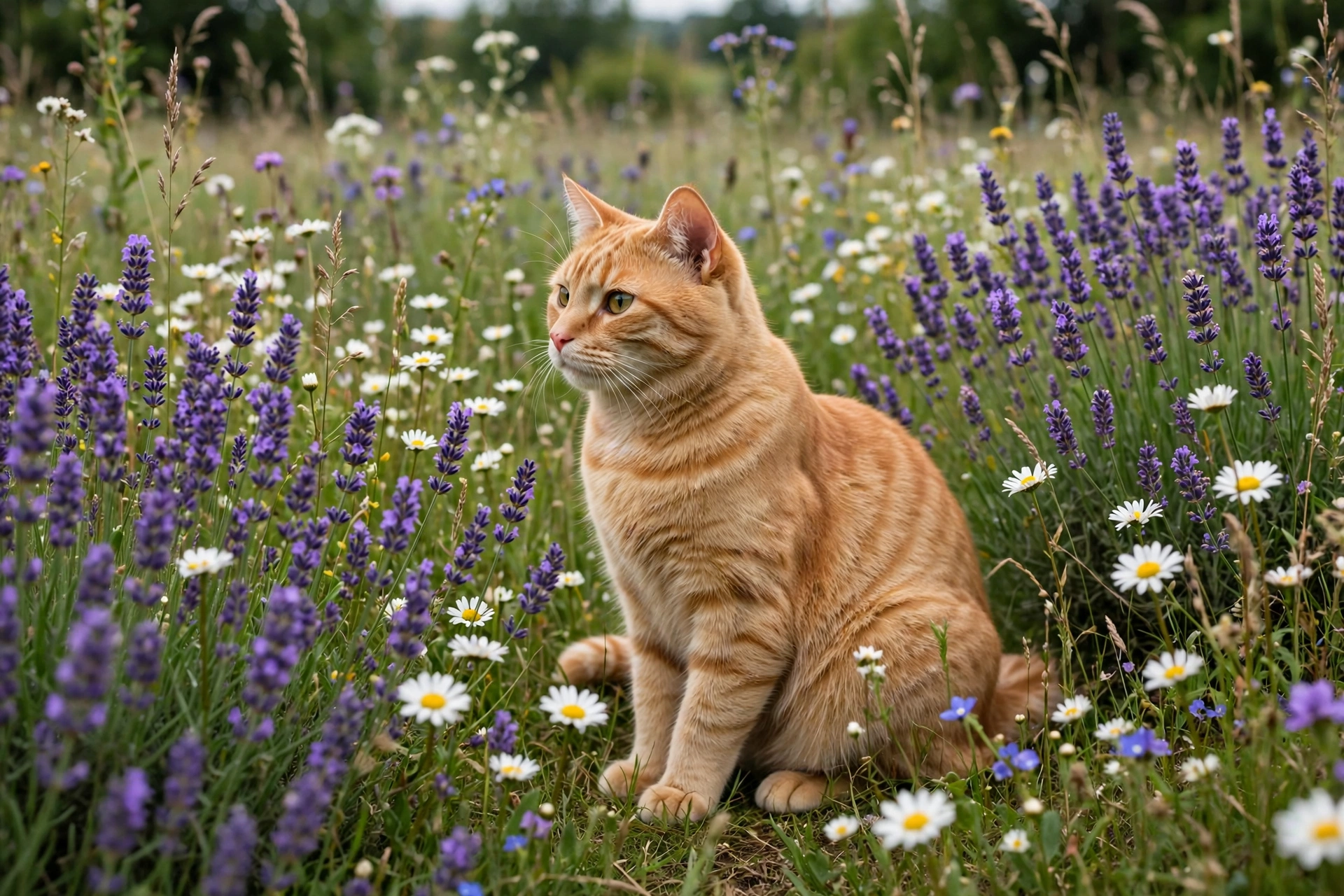
These are the soft names — flowers, herbs, and open fields. They suit gentle cats, pretty cats, and cats who spend their afternoons asleep in a patch of sun.
- Violet — a small purple flower, and the colour itself. For a quiet cat with a soft, velvety coat.
- Fern — the feathery green plant that grows in shady woods. For the cat who hides under the furniture and appears at dinner time.
- Sage — a grey-green herb, and also the word for a wise person. For the cat who watches everything and says nothing.
- Clover — the three-leafed plant of the meadow, a symbol of luck. For the cat you found when you needed one most.
- Heather — the low, purple-flowered shrub that covers the moors. For a small, tough cat with a wild streak.
- Lavender — the fragrant purple flower that fills a whole room with scent. For a calm cat who makes the house feel peaceful.
- Rosemary — the herb whose name comes from the Latin for “dew of the sea.” For a cat with a salty, sea-air personality and a sharp memory.
- Briar — a thorny bush, and the name of the wild rose. For a beautiful cat with claws, who uses both.
- Meadow — the open grassy field itself. For a free, easy cat who is happy anywhere the sun is.
- Laurel — the evergreen shrub whose leaves crowned victors in ancient Greece and Rome. For a cat who behaves like it has already won.
Sky, weather, and seasons
These are the big names — wind, cloud, and the turning of the year. They suit dramatic cats, fast cats, and cats who stare at the sky for hours.
- Skye — the Scottish island, and a spelling of the sky itself. For a cat with faraway eyes.
- Sunny — full of sunshine. For the cat who finds the one warm spot in every room and claims it.
- Breeze — a gentle wind. For a light, quick cat who is never quite where you left her.
- Gale — a strong wind. For a big, loud cat who arrives like weather.
- Zephyr — the west wind, and in Greek myth the gentle wind of spring. For a soft, graceful cat who moves without making a sound.
- Solstice — the longest or the shortest day of the year. For a cat born at the turn of a season, or one who treats every day like a holiday.
- Equinox — the day when night and day are exactly equal. For a perfectly balanced cat — half wild, half lap cat.
- Tempest — a violent storm. For the cat who knocks everything off the table and then looks at you like you did it.
- Cirrus — the high, wispy cloud. For a pale, delicate cat who floats through the house.
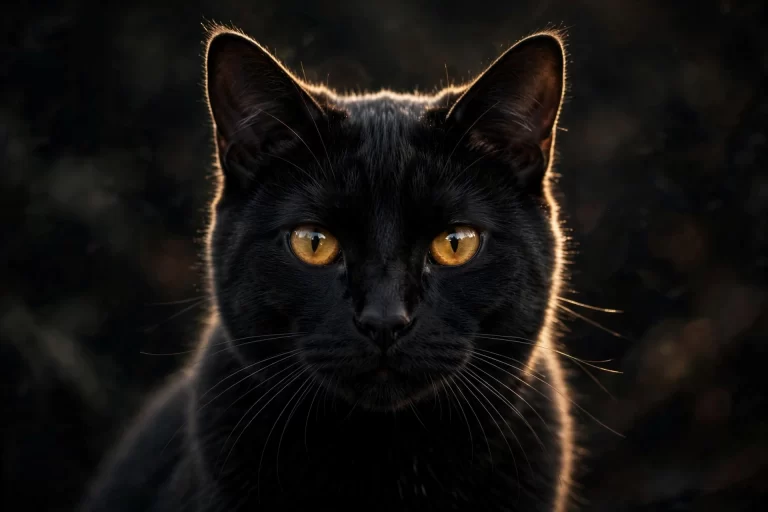
- Nimbus — the dark rain cloud. For a dark-coated cat with a serious face and a soft heart.
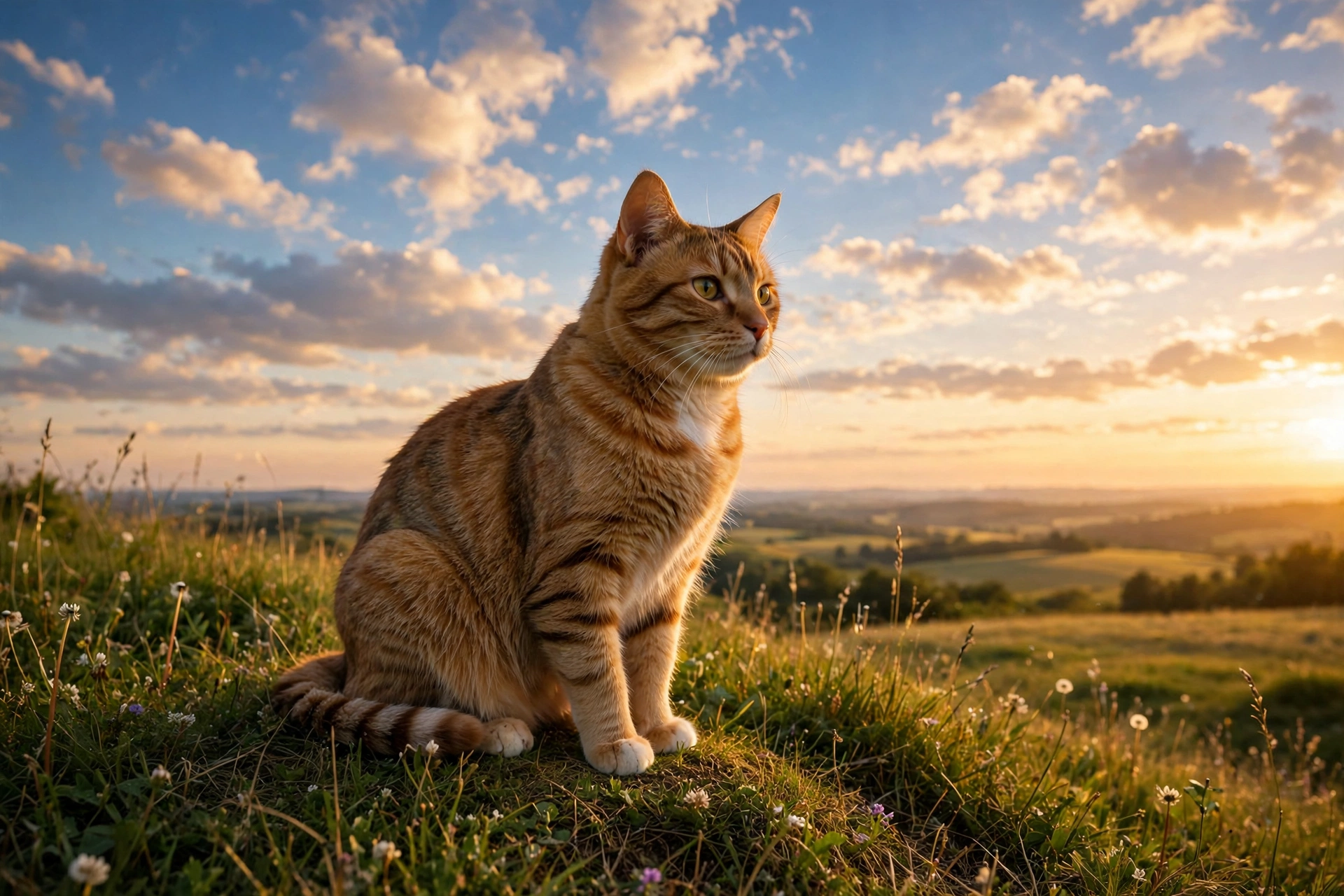
Rivers, lakes, and oceans
These are the water names — streams, bays, and the sea itself. They suit cats who drink from the tap, stare at the bath, or simply flow through the house like water.
- River — the flowing waterway. For a cat who is always moving, always curious, always somewhere else.
- Brook — a small stream. For a small, bright, cheerful cat.
- Marina — a harbour for boats, from the Latin for “of the sea.” For a cat who loves water and is not afraid of it.
- Coral — the pink-orange sea creature that builds reefs. For a warm-coloured cat with a strong, stubborn core.
- Delta — the place where a river meets the sea and spreads into a fan. For a cat who is two things at once.
- Harbor — the sheltered place where boats rest. For a calm, safe, steady cat — the one you come home to.
- Cove — a small, sheltered bay. For a shy cat who has one favourite hiding place and defends it.
- Tide — the rise and fall of the sea. For a cat whose moods come in waves: affectionate, then gone, then back again.
- Reef — the ridge of rock or coral just below the waves. For a cat with hidden depths, who surprises you.
- Cascade — a small waterfall. For an energetic cat who never walks when she can tumble.
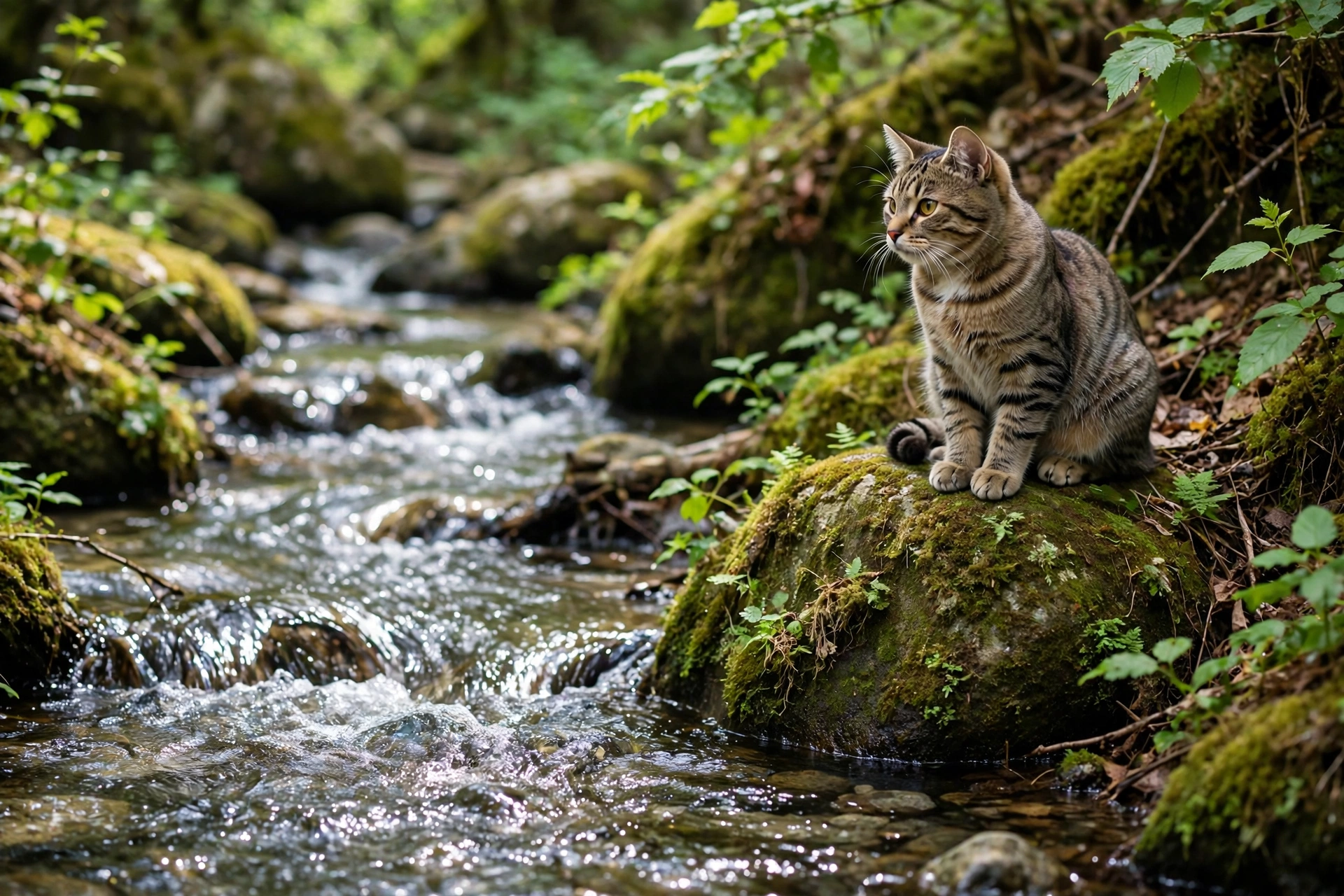
Mountains, stones, and earth
These are the solid names — peaks, rock, and the ground itself. They suit big cats, brave cats, and cats who sit on the highest shelf in the house and look down on the world.
- Summit — the top of a mountain. For the cat who climbs to the highest place in the room and stays there.
- Canyon — the deep gorge a river cuts through rock. For a cat with a deep voice and a long memory.
- Sierra — Spanish for “saw,” the name of mountain ranges whose ridges look like a saw’s teeth. For a cat with a jagged, striking coat.
- Boulder — a large, rounded rock. For a big, solid, immovable cat.
- Ridge — the long, narrow crest of a hill. For a long, lean cat who walks along the top of the sofa like a tightrope.
- Mesa — Spanish for “table,” a flat-topped mountain. For a cat who treats every flat surface as a throne.
- Denali — from the Koyukon word Deenaalee, “the high one,” the name of North America’s highest peak. For a cat with real presence.
- Everest — the highest mountain on Earth. For the cat who has already conquered the house.
- Stone — the solid rock itself. For a steady, dependable cat who is always exactly where you expect.
- Clay — the soft earth that hardens into pottery. For a gentle cat who is still being shaped — a kitten, or a rescue finding its feet.
Fifty names, five landscapes, and every one of them means something real. The best way to choose is the simplest: read the list out loud to the cat. The right name is the one that makes you smile the second time you say it — and the cat, if it is paying attention at all, will be the one who looks up.
The name will grow a nickname
Whatever you choose, the name will not stay exactly as you wrote it. Aspen becomes Asp, River becomes Riv, and Denali becomes Denny within a month, because that is what cat owners do. Pick a name whose nickname you also like, because the nickname is the name you will actually use every day, and the full name is the one you will use when the cat is in trouble.
Frequently asked questions
What are good nature names for cats?
The best nature names are short, easy to say, and mean something you like. Tree names like Aspen and Oak, flower names like Violet and Fern, and water names like River and Brook are all good starting points — pick the landscape your cat reminds you of, then choose the name that fits their personality.
What is a good nature name for a female cat?
Most nature names work for either sex, but Violet, Fern, Lavender, Heather, and Clover are popular choices for female cats because they are soft-sounding and easy to call. The real test is the cat: say the name out loud and see whether it fits her.
What is a good nature name for a male cat?
Oak, Cedar, River, Summit, and Denali are strong, short names that suit male cats well — all of them are one or two syllables, which cats respond to most easily. A big, bold cat suits a mountain name; a calm one suits a tree name.
Do cats respond better to certain kinds of names?
Yes — cats tend to respond best to short names of one or two syllables, with clear vowel sounds. Almost every name on this list is one or two syllables, which is part of why nature names work so well. Avoid names that sound like common commands or like another pet’s name.
Can I use a nature name for an indoor cat?
Of course. A nature name is about the cat, not where it lives — an indoor cat called River or Aspen is no stranger than a city dog called Hunter. If anything, a nature name suits an indoor cat best, because it is a small piece of the outdoors brought inside.