Your Cat Sleeps 16 Hours a Day — and It’s Not Laziness
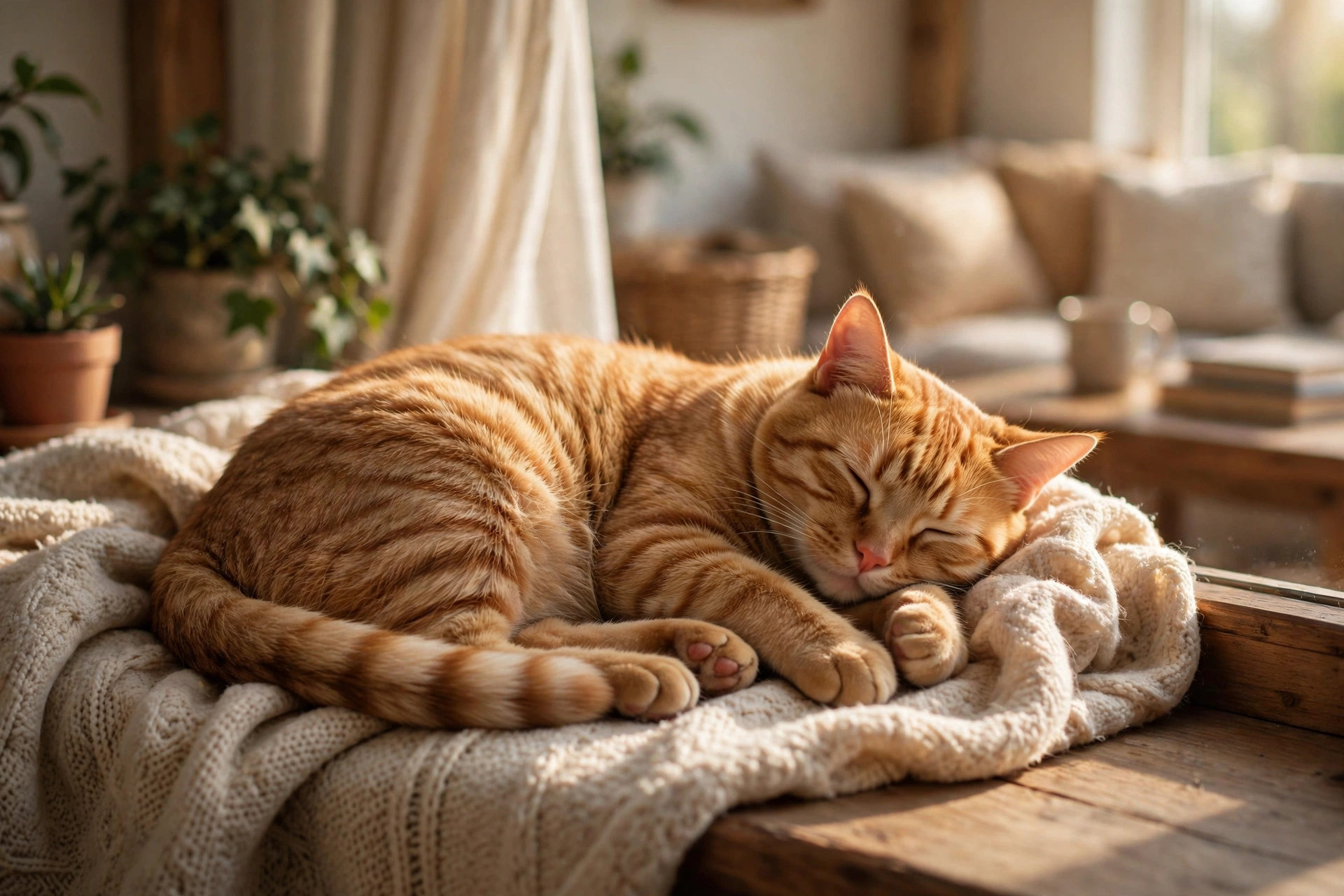
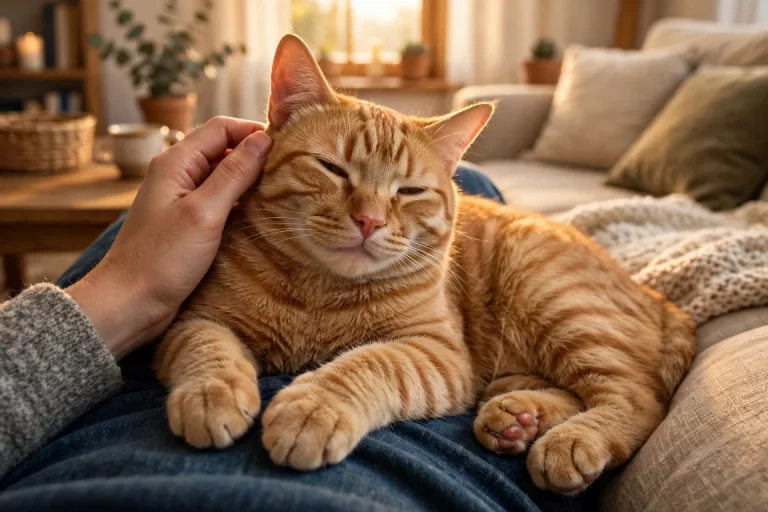
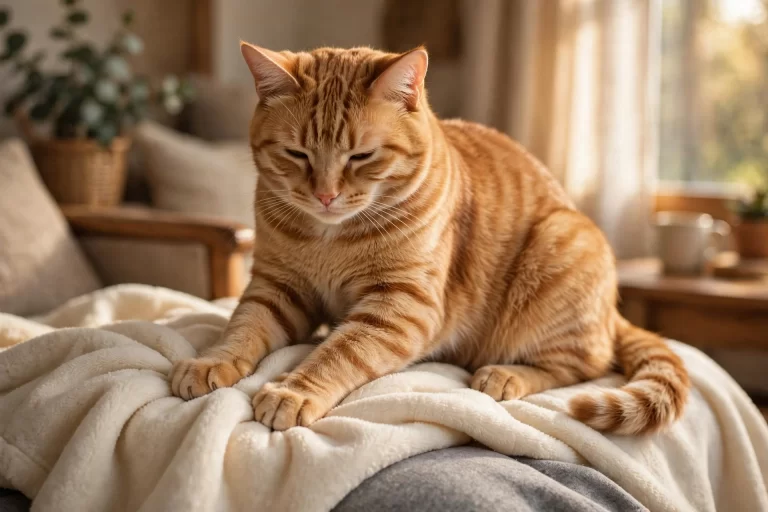
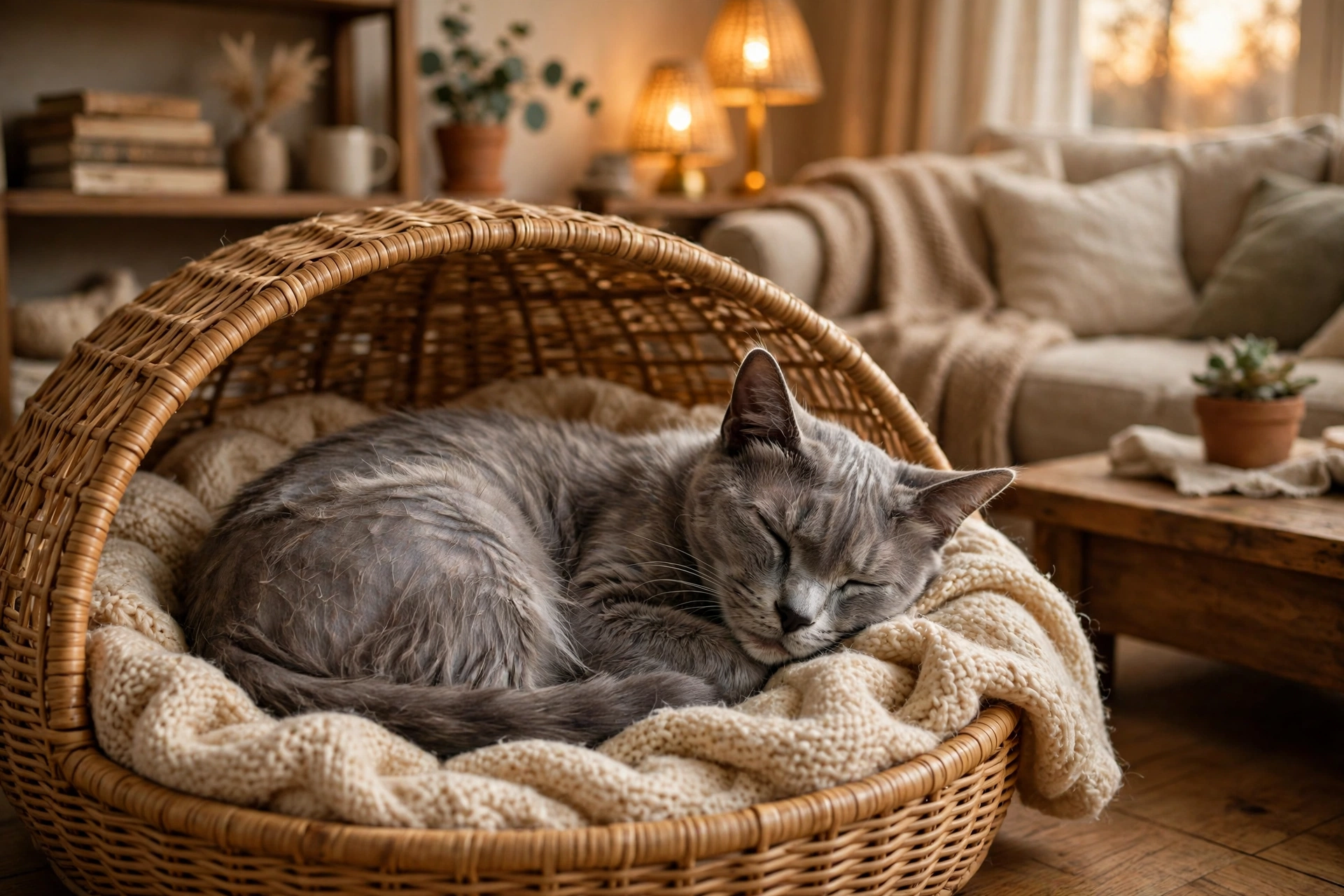
It is two in the afternoon and the cat is asleep. Again. Curled in the same sunny spot on the rug, or draped across the keyboard, it has been there for hours — and it will be there for hours more. A healthy adult cat sleeps somewhere between 12 and 16 hours out of every 24. Some manage 20. That is two-thirds of a life spent asleep, and it looks like laziness raised to an art form.
It is not laziness. It is the schedule of an animal built for short, explosive effort, then long recovery: a sprinter’s body, and sleep is how it pays for the sprint. That is the real answer to why do cats sleep so much. Once that is understood, the 16 hours stop looking like a character flaw and start looking like a design.
How much cats actually sleep
The numbers first, because they are the part everyone wants. A healthy adult cat sleeps about 12 to 16 hours a day — Purina puts the average at 13 to 16 hours, and most veterinary sources land in the same range. Kittens sleep more, up to 20 hours a day, and senior cats often return to those higher totals, sometimes 16 to 20 hours. Katherine Houpt, a veterinary behaviorist at Cornell University’s College of Veterinary Medicine, has noted that some cats will spend 16 hours a day slumbering, and as much as 18 hours in hot weather.
| Life stage | Typical sleep per day | Why |
|---|---|---|
| Kitten (under 1 year) | 16–20 hours | Growth, brain development, new experiences |
| Adult (1–7 years) | 12–16 hours | Energy conservation between hunting-like bursts |
| Senior (7 years and over) | 16–20 hours | Lower energy reserves and age-related changes |
Those are ranges, not targets. Personality matters — some cats are simply sleepier than others — and so do the weather, the season, and how much is happening in the house. What matters far more than the total is whether the pattern has changed. A cat that has slept 15 hours a day for years and still does is almost certainly fine; one that slept 12 hours a day last month and now sleeps 18 is telling its owner something. Cornell’s feline behavior experts put it plainly: once a cat’s sleep pattern is established, it stays fairly constant through life, so a sudden or dramatic change may signal a serious health problem.
That is the number to watch — not the hours, but the change.
Built for bursts: the hunter’s body
So why do cats sleep so much? Start with how a cat hunts. Cats are ambush predators: they stalk, crouch, wait, and then explode — a few seconds of flat-out speed and power, and the hunt is over, one way or the other. That style of hunting demands sudden energy, not endurance, and it is expensive. Purina’s explanation is direct: a cat on the hunt is on alert the whole time, using high levels of adrenaline and energy, and despite the short period of activity it burns a disproportionate amount of its reserves.
So the cat rests. A predator that sleeps through the quiet hours uses less energy — a real advantage for a wild cat whose next meal is not guaranteed. Domestic cats keep the same wiring even though the food bowl is always full. The bowl changed; the body did not.
Food plays a part too: a protein-rich diet takes a long time to digest, which is one reason biologists give for the long rest after eating. Anyone who has watched a cat eat, groom, and then fall asleep in the same spot has seen the cycle — hunt, eat, groom, sleep — and even the most pampered house cat runs it automatically, with toys standing in for prey.
None of this is laziness. Laziness is choosing not to do something you could do. A sleeping cat is doing exactly what its body was built to do.
Crepuscular, not nocturnal
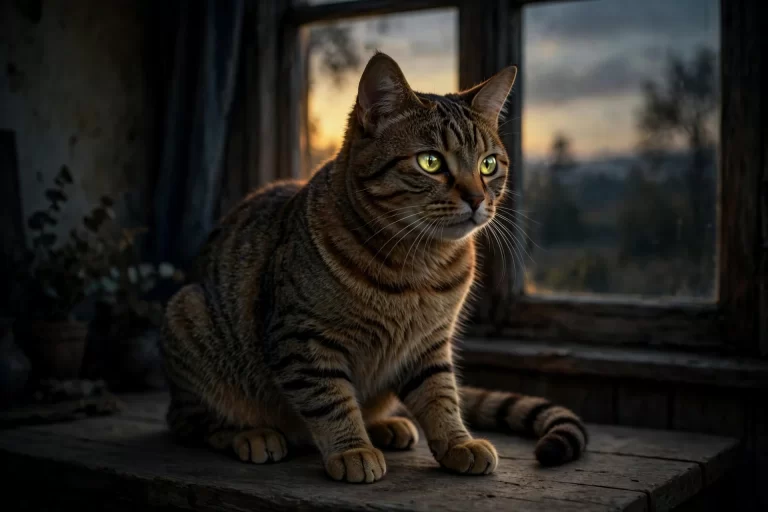
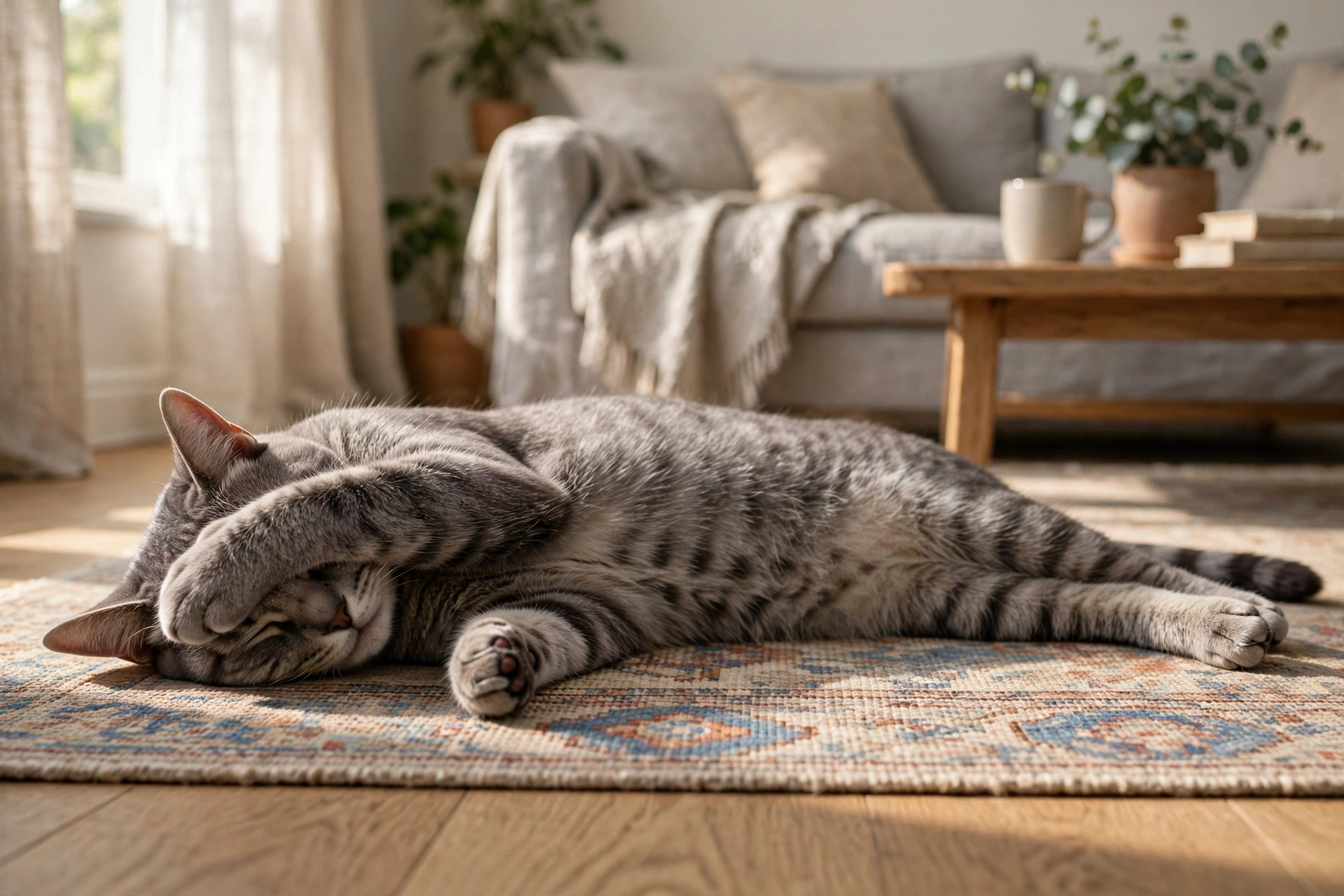
The other half of the explanation is timing. Most people assume cats are nocturnal. They are not. Cats are crepuscular, which means they are most active around dawn and dusk — the two edges of the day, when their natural prey is also most active. The middle of the day and much of the night are, by design, downtime.
That is why the pattern of a house cat’s day looks so strange to a human. The cat sleeps through the afternoon, wakes as the light fades, races around the living room at seven in the evening, sleeps again, and then — at five in the morning, just as the sky lightens — appears on the bed demanding breakfast. It is not being difficult. It is following a schedule written into its biology thousands of years before the first cat moved into a human house.
A cat’s eyes are part of the same story: built to see movement clearly in low light, which is why dusk is prime time and why a cat can navigate a dim hallway without a sound. (How that vision works is covered in “How Well Can Cats See in the Dark?“) Some cats adjust to their owners’ routines and sleep more at night, but the dawn-and-dusk peaks rarely disappear entirely — which is why even the most domesticated cat still has a 5 a.m. setting.
Light sleep vs. deep sleep — and the twitch
A cat does not sleep the way a person does. People mostly sleep in one long block; cats are polyphasic, sleeping in many short episodes across the day, and most of those episodes are not deep sleep at all.
About three-quarters of a cat’s sleep is light sleep — the classic catnap, usually 15 to 30 minutes, in which the cat rests but is only half switched off. The ears stay erect and keep responding to sounds, the tail may move, one eye may sit half open, and the cat can wake into action in an instant. That is the point: a light sleeper can still catch something, or escape something, at a moment’s notice.
Deep sleep is the other quarter, and it is short — about five minutes at a time according to Purina, up to around ten minutes according to Cornell’s feline behavior experts. In deep sleep the posture relaxes completely, the ears drop, and the cat may twitch, paddle its paws, or flick its whiskers. That twitching is REM sleep, the stage in which humans dream.
Do cats dream? Nobody can know what a cat experiences, but the twitching suggests they do something like dreaming — replaying the day’s hunting, perhaps — though it cannot be proven from the outside. What can be said is that the twitching is normal, part of deep sleep, and that a cat in deep sleep is the only time it is truly, fully switched off. It is also why a cat woken suddenly from deep sleep can look startled or grumpy: it was a long way down.
Why kittens sleep more
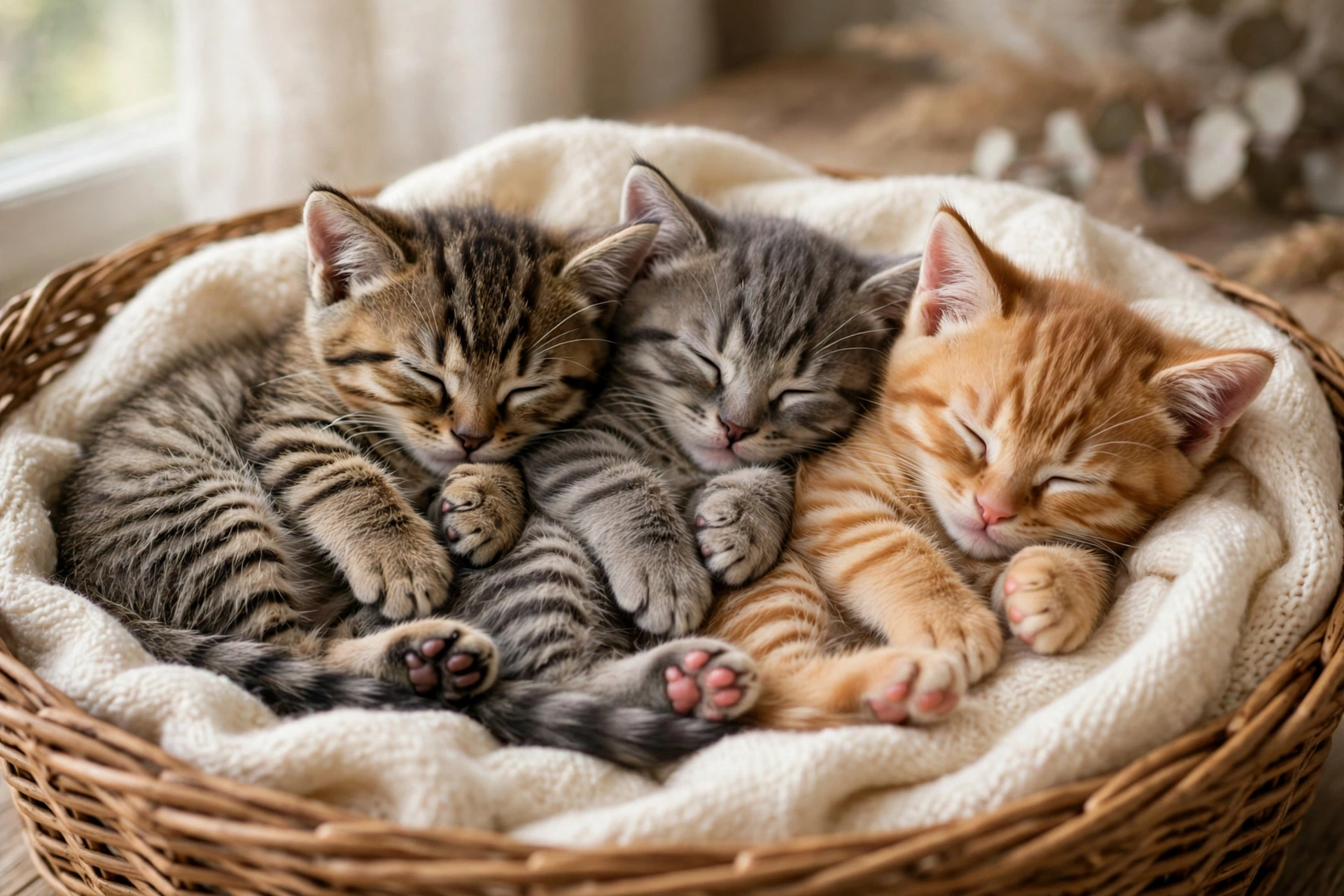
Kittens are the sleepiest cats of all, and for the best reason: they are under construction. The brain and central nervous system are still developing, the body is growing fast, and most of that work happens during sleep. Purina puts it vividly: kittens spend approximately 90% of kittenhood snoozing.
Newborn kittens sleep most hours of the day and night, waking mainly to nurse, and the adult pattern is not established until about three months. That early sleep is also protective: a sleeping kitten stays in the nest, tucked safely away. As kittens grow, the bursts of play get longer and the naps shorter, but even a six-month-old still sleeps far more than an adult — 16 to 20 hours is normal.
That is why a kitten’s sleep should be left alone. A kitten woken constantly, or kept awake by a noisy house, is not just tired — it is missing the rest its body uses to grow. Let sleeping kittens lie is not just a saying; it is the kindest and most practical rule in kitten care.
Why seniors sleep more
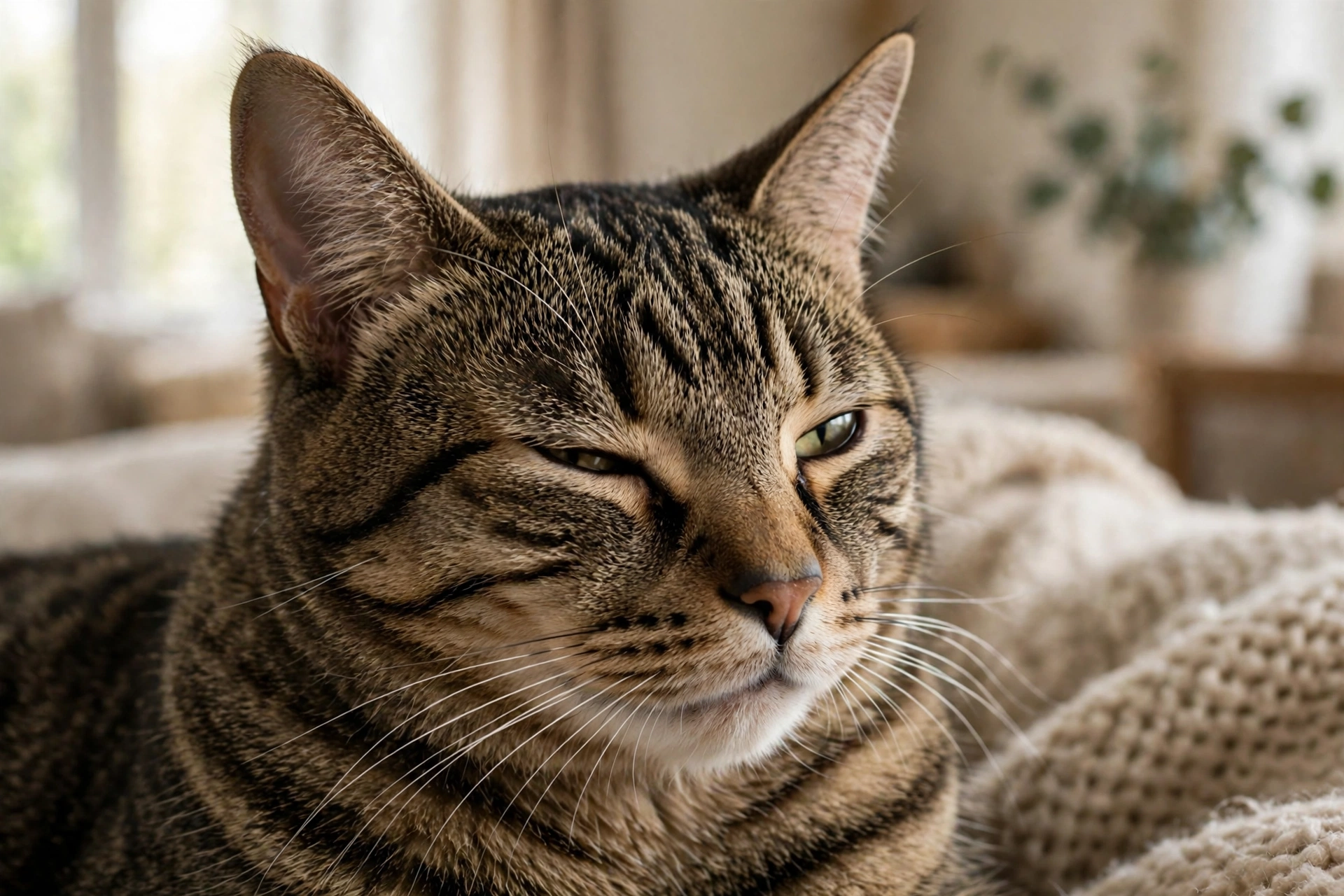
At the other end of life, the totals climb again: seniors often sleep 16 to 20 hours a day, for a mix of obvious and overlooked reasons. The obvious part is energy — an older cat tires faster, moves more slowly, and has a smaller budget of strength to spend. The overlooked part is pain: arthritis, dental problems, kidney disease, and other age-related conditions all make a cat want to rest more, and because cats hide pain well, extra sleep is sometimes the first sign an owner notices.
Cornell’s guidance is blunt: even though slowing down at around age 12 is common, have the cat checked by a veterinarian, because reduced activity often reflects treatable joint pain rather than age alone. The same applies to sleep. A senior cat that has always slept a lot and still greets the morning, eats well, and grooms itself is probably just an old cat. One whose sleep has crept up sharply, or who has stopped grooming, hides more, or loses weight, needs a vet visit — not because old age is a disease, but because many of the things that make old cats sleepy are treatable.
The everyday reasons sleep creeps up
Not every increase in sleep is a medical story. Three ordinary things push the totals up, and all three are worth knowing because they are fixable.
Boredom. An indoor cat with nothing to do sleeps because there is nothing else to do. A cat that hunts, explores, and plays stays awake longer; one in a quiet flat with the same four walls and no new stimulation will nap the day away. That is one reason enrichment matters: a window perch, a puzzle feeder, a daily play session all give a cat a reason to be awake. (Ideas for a small home are in “Indoor Cat Enrichment for Small Apartments.”)
Heat. Cats sleep more in warm weather: Cornell’s behavior experts note cats may sleep as much as 18 hours a day in hot weather, finding the coolest spot in the house and not moving until evening. Warmth is soporific for cats just as it is for people.
Routine. Cats are creatures of habit and shape their days around the household. A cat whose owner works long hours will often sleep through the quiet middle of the day and wake when the house comes alive again. That is not a problem — it is a cat fitting its ancient schedule around a modern one.
When sleep is a warning sign
Most of the time, a sleeping cat is a healthy cat. The worry starts when the pattern changes — and the change is usually easier to spot than the total.
Sleep vs. lethargy. These are different things, and the difference is in the waking hours, not the sleeping ones. A normally sleeping cat wakes easily, stretches, eats at the usual times, uses the litter box, and shows interest in the world. A lethargic cat is hard to wake, moves slowly or stiffly, shows little interest in food, and avoids its usual activities. A cat that sleeps 18 hours and is bright and engaged for the other six is probably fine; one that sleeps 14 hours and looks dull and listless for the other ten is not.
Call the vet if: sleep has increased suddenly or markedly over days or a week; the cat is hard to rouse or unusually weak when awake; it has stopped eating, drinking, or grooming; it hides more than usual; or it has lost weight. Sudden changes in sleep are also an early sign of cognitive dysfunction in older cats — International Cat Care lists a changed sleep-wake cycle among the first signs. None of these alone proves something is wrong; together, they are the kind of change a vet should hear about, promptly.
The rule is simple: know your cat’s normal, and notice when it moves. The hours are just a number. The pattern is the information.
Frequently asked questions
How many hours a day should a cat sleep?
A healthy adult cat sleeps about 12 to 16 hours a day; kittens sleep up to 20 hours, and seniors often return to 16 to 20. The exact total matters less than whether the pattern is steady — a sudden change is more informative than the number itself.
Are cats nocturnal?
No. Cats are crepuscular, most active around dawn and dusk, when their natural prey is most active. They sleep through much of the middle of the day and much of the night. Some adjust to their owners’ routines and sleep more at night, but the dawn-and-dusk peaks rarely disappear entirely.
Do cats dream?
Probably, in the sense that cats experience REM sleep — the stage in which humans dream — and twitch, paddle their paws, and flick their whiskers during it. Nobody can know what a cat experiences, so it cannot be proven, but the twitching itself is normal and healthy.
Why does my cat sleep so much in summer?
Heat makes cats sleepy: Cornell’s feline behavior experts note cats may sleep as much as 18 hours a day in hot weather, seeking out the coolest spot in the house until evening. As long as the cat eats, drinks, and is alert when awake, summer sleepiness is normal — keep fresh water available.
Is it normal for a kitten to sleep all day?
Yes. Kittens spend roughly 90% of kittenhood asleep, because their brains and bodies are developing fast and most of that work happens during sleep. A kitten should be left to sleep undisturbed — the exception is one that will not wake to nurse or play, or that feels cold, which needs a vet promptly.
A cat asleep in a sunbeam is not wasting its life. It is running the same program its ancestors ran: hunt in short bursts, rest long and well, and be ready at dawn and dusk. That is why do cats sleep so much — sixteen hours is not a cat failing at being awake, it is a cat succeeding at being a cat.