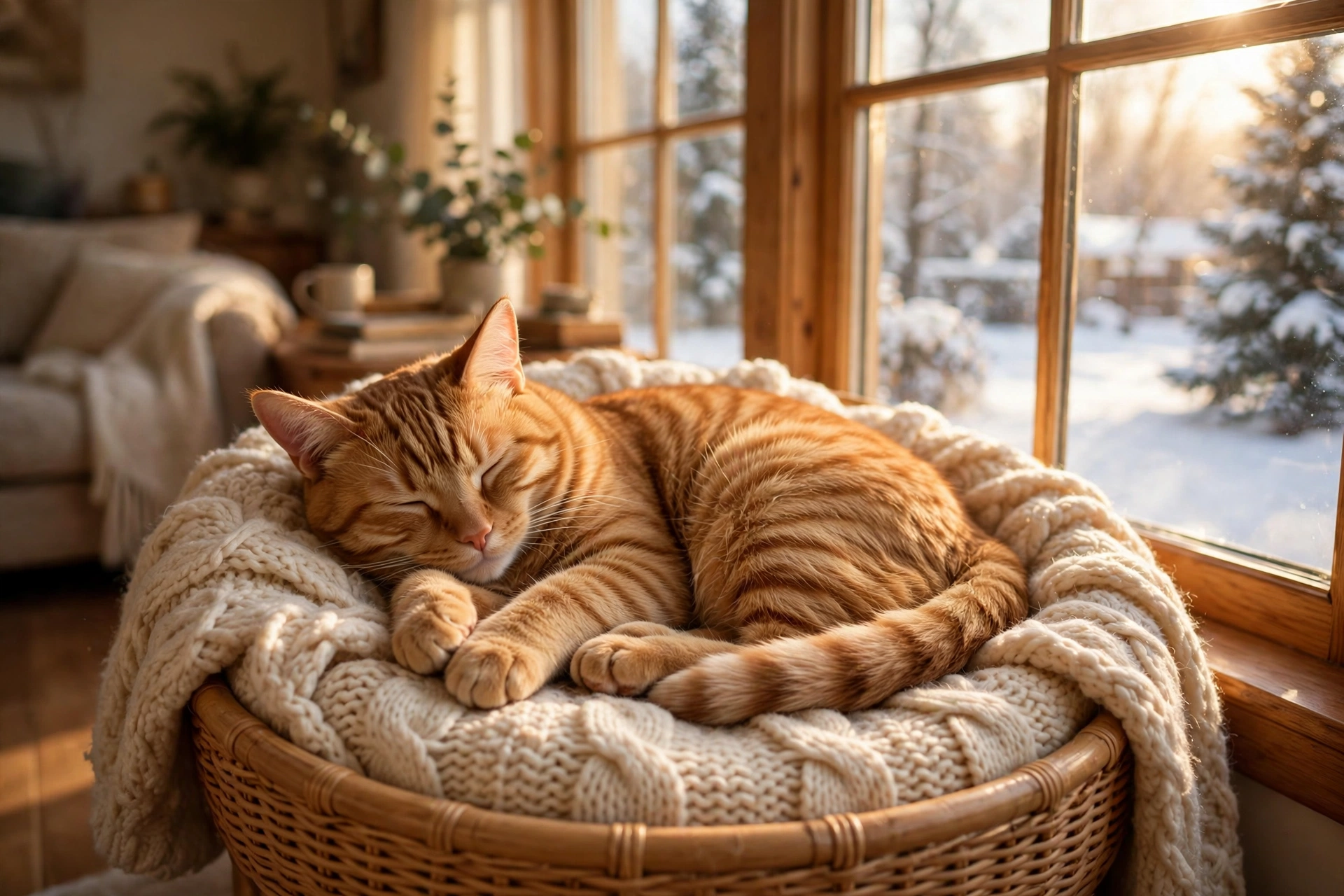
Most cats that suffer in the cold are not strays. They are pets whose owners thought they had it covered — a warm house, a full bowl, a thick coat. But a cat does not get cold because of one big thing going wrong. It gets cold because of small mistakes that add up, and the ones that matter most are rarely the ones people expect.
If you are wondering how to keep cats warm in winter, these twelve mistakes are where to start.
In this article
- Sleeping outside in the cold
- A bed on a cold floor
- Heating pads and space heaters
- Frozen or stale water
- Feeding too much or too little
- A shelter that is too big
- Blankets instead of straw
- Antifreeze spills
- Snow, salt and ice melt on paws
- The car hood and wheel wells
- Left alone in a cold car
- Kittens, seniors and vulnerable cats
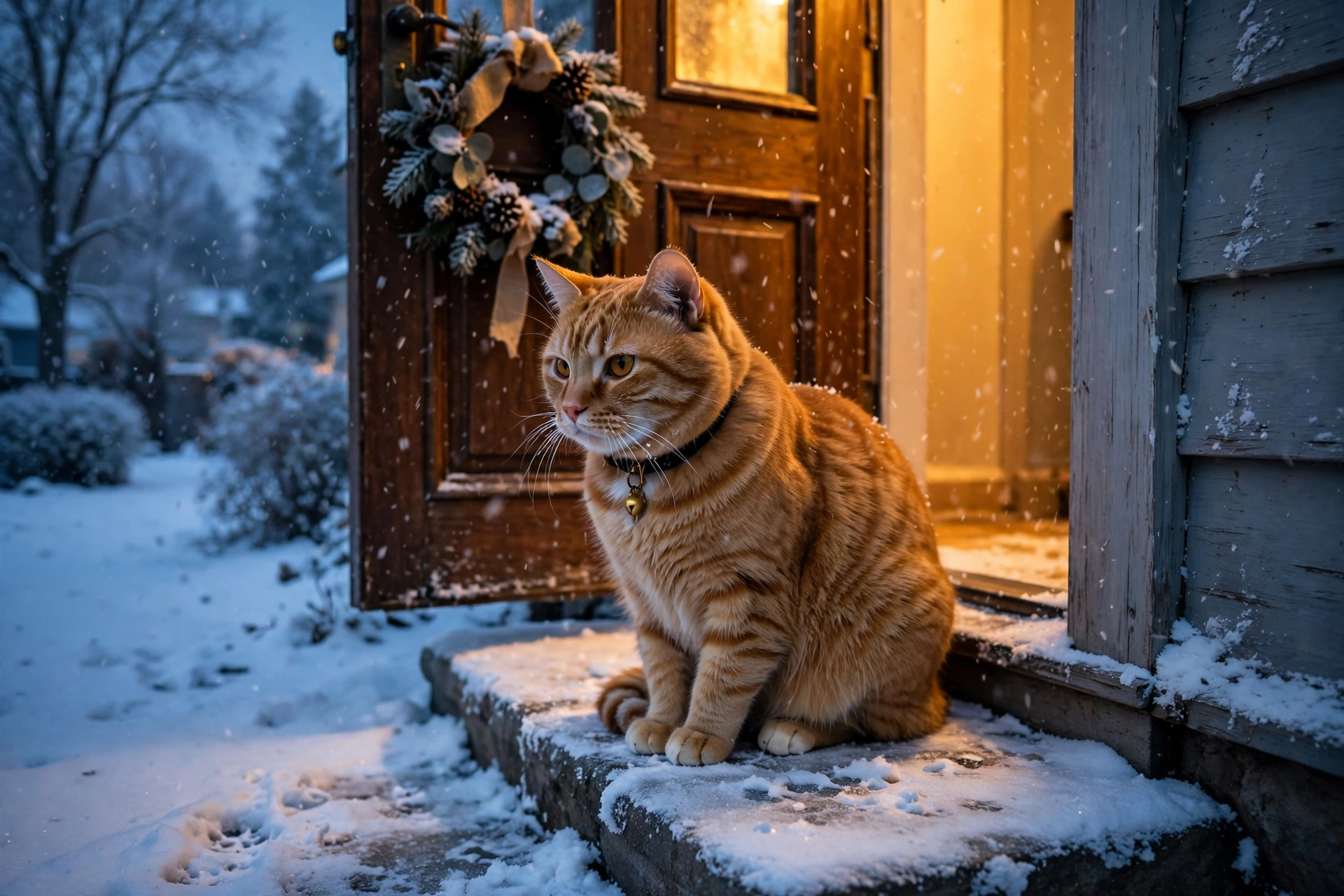
1. Letting a pet cat sleep outside in the cold
A pet cat belongs indoors in winter. A thick coat is not the protection people assume. The Cornell Feline Health Center is direct about it: the combination of low temperatures, wind, and snow or ice can leave a cat with hypothermia or frostbite. International Cat Care adds that free-living cats grow a thicker winter coat, but it only protects them while the fur stays dry — once fur gets wet or frozen, it stops insulating.
There is no single temperature that fits every cat. Coat, body fat, age, health, wind, and wet weather all change the risk. There are, however, useful caution points. PetMD’s guidance, as summarised by the veterinary site Rexvet, is that most cats start to feel uncomfortable below about 45°F (7°C), and that below freezing — 32°F (0°C) — every cat risks frostbite and hypothermia with long exposure.
The RSPCA gives a similar picture: cats do best between 10°C and 25°C, and it suggests keeping cats inside overnight below about 7–8°C. Read those figures as caution points, not rules. A dry, calm evening is very different from a wet, windy one.
The ASPCA offers the simplest test: if it is too cold for you, it is probably too cold for your pet. That test is the simplest answer to how to keep cats warm in winter: if you would not want to sleep out in it, neither would your cat.
2. Putting your cat’s bed on a cold floor or in a draft
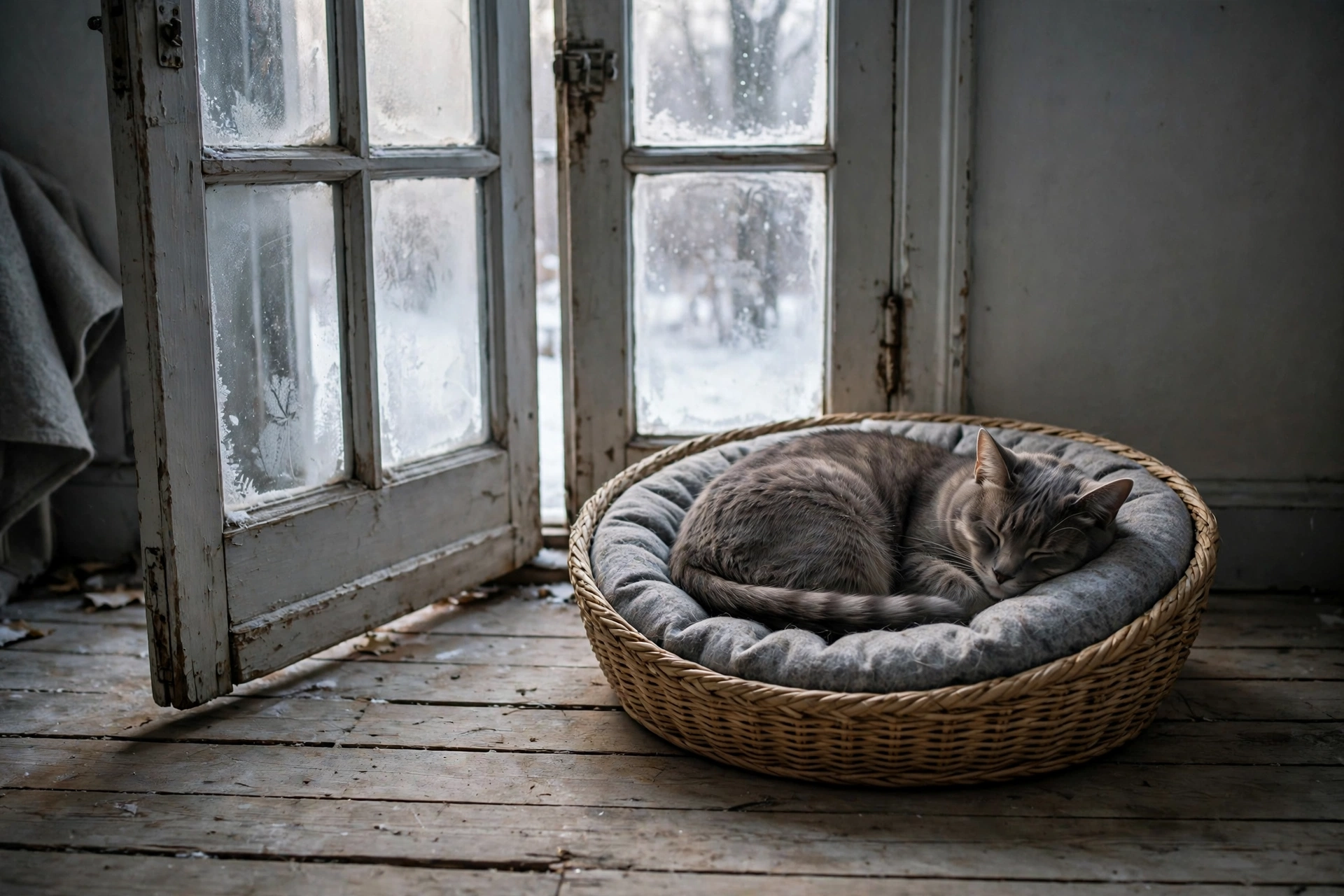
The ASPCA’s advice is straightforward: a warm place to sleep, off the floor and away from all drafts — a cozy bed with a warm blanket or pillow is perfect.
Cold air sinks, so a bed on a tile, wood, or basement floor is colder than it looks. Raise it a few inches, or move it to a carpeted room, and block floor-level drafts; a rolled towel along a door bottom often does the job.
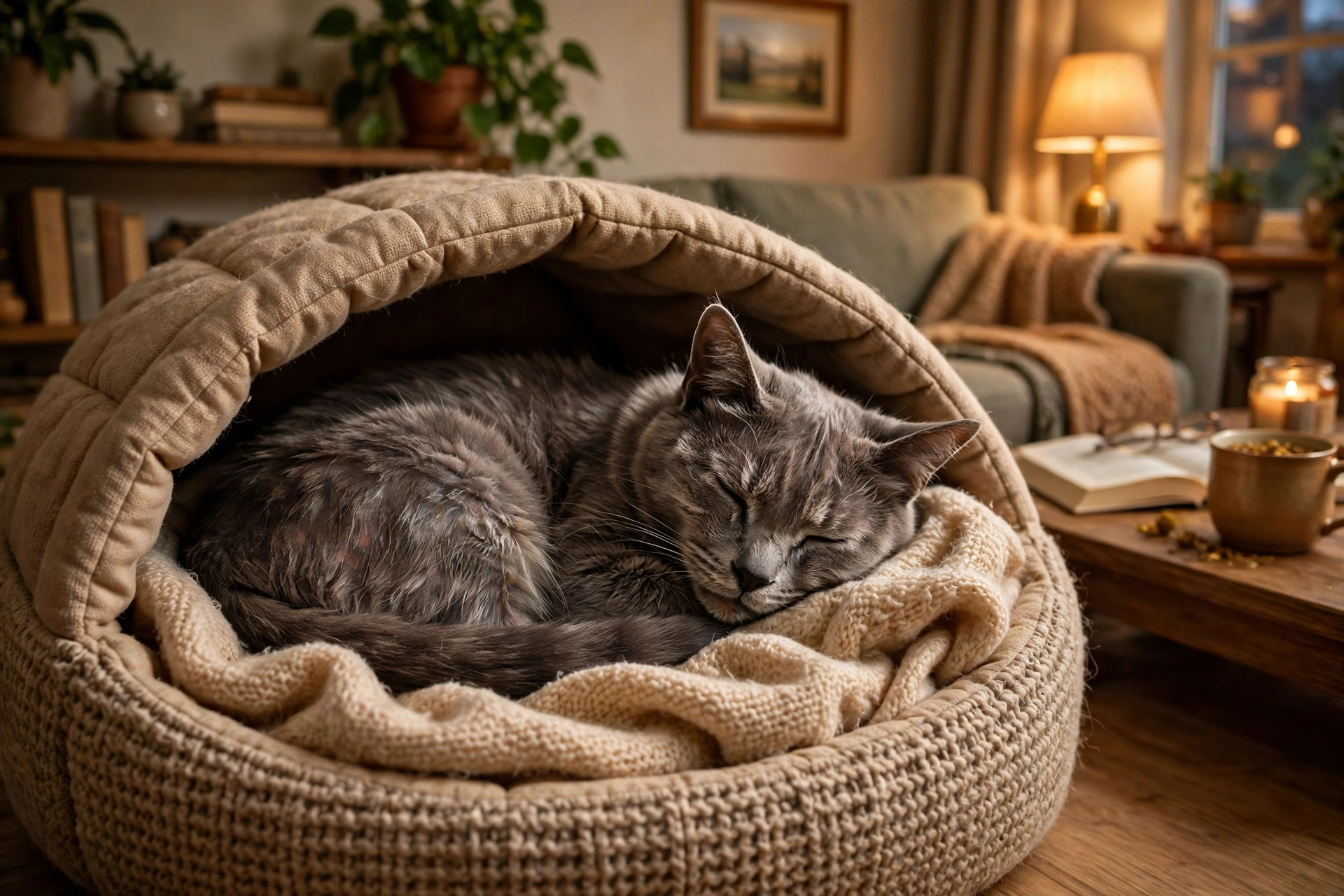
Then offer choices. Cats move between warm and cool spots through the day, and a cat that can choose regulates its own temperature better than one with a single bed. A sunny windowsill by day and an enclosed bed for long naps will cover most cats. Enclosed beds trap the cat’s own body heat — the same reason cats squeeze into boxes.
3. Placing a heating pad directly on your cat
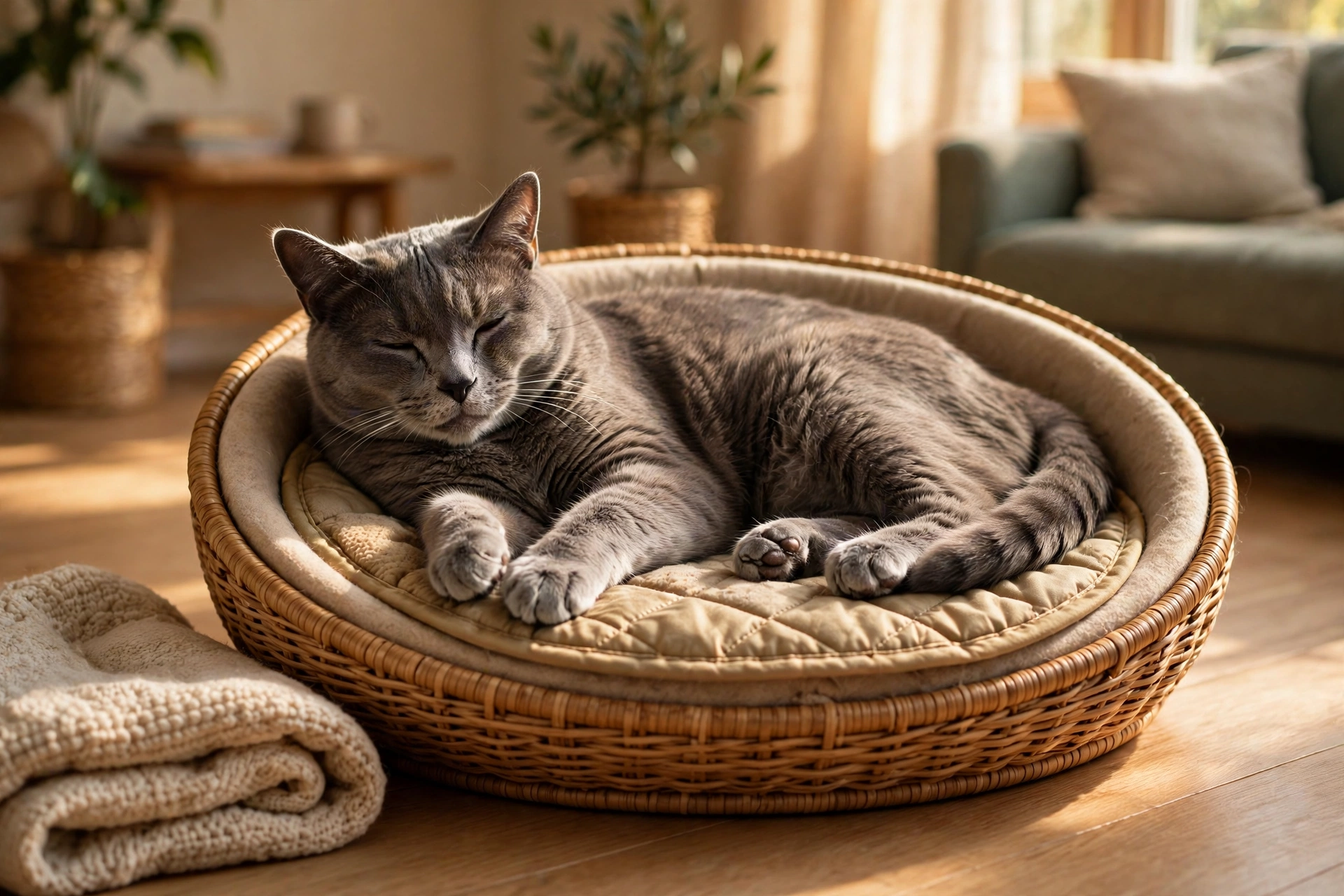
For seniors, thin cats, and cats recovering from illness, gentle heat helps — but the kind of heat matters, and this is where winter care goes wrong most often indoors.
Self-warming mats are the simplest option: they reflect the cat’s own body heat back, need no electricity, and have no cable to chew. A microwavable heat pad, warmed and slipped under part of the bedding, is another good choice — put it under only part of the bed, so the cat can move off it.
Electric heating pads need real caution. A heating pad can heat up over time and cause burns, especially in older, arthritic, or sick pets that sleep deeply or get up slowly. Never place a heating pad directly on a cat. The AVMA cautions that space heaters can burn a pet that sleeps against them, or be knocked over and start a fire — keep them where the cat cannot press against them, and never leave one running in a room with an unsupervised pet.
4. Letting your cat’s water freeze or go stale
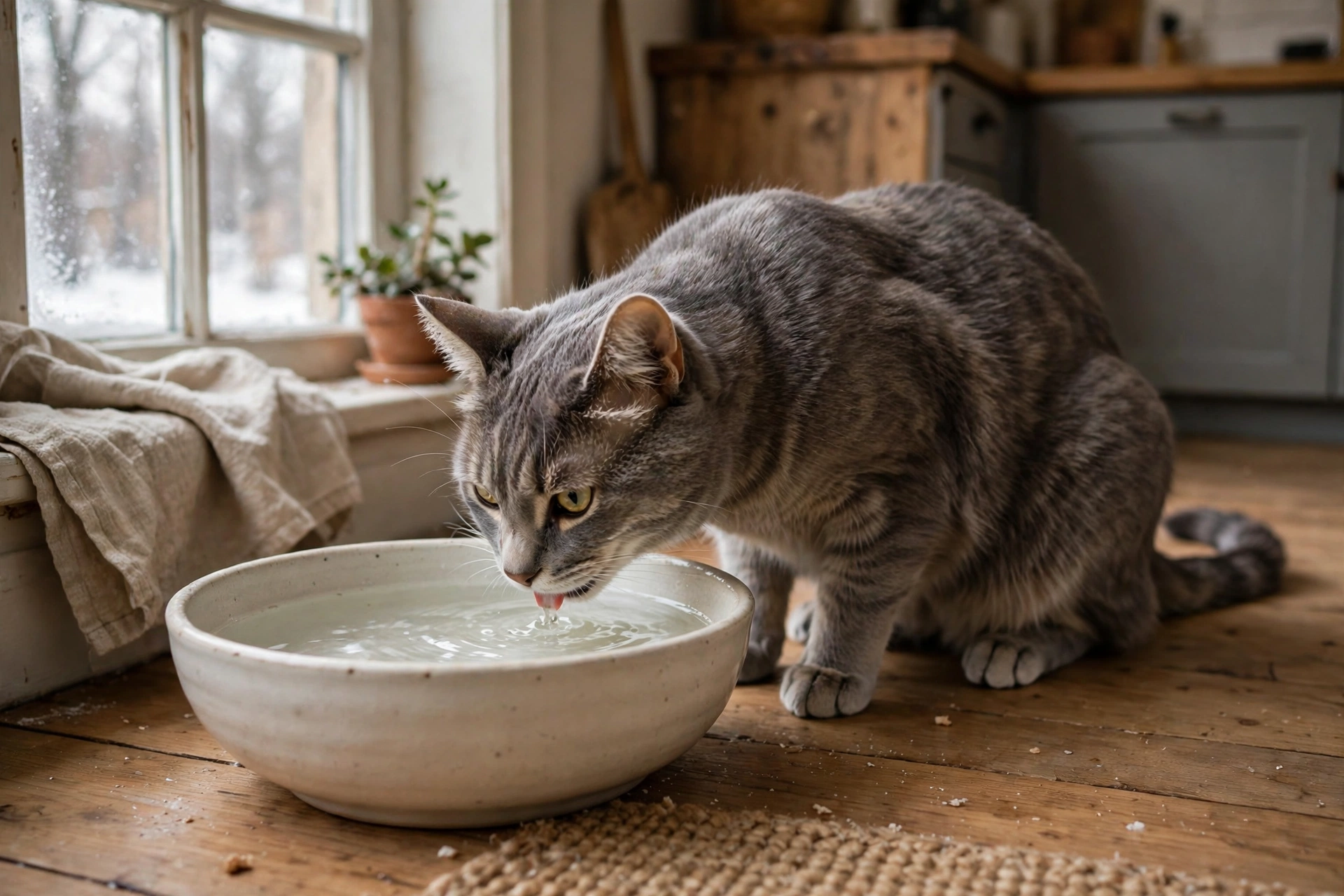
Fresh water matters all winter. International Cat Care stresses fresh, clean water at all times, and the ASPCA agrees: drinking plenty of water helps keep a cat — and its skin — hydrated. Some cats drink more readily from a wide bowl, a running tap, or a fountain; cats that love drinking from the sink are not being difficult.
Heated indoor air is dry, and it pulls moisture from skin and coat. The ASPCA suggests keeping the home humidified and toweling a cat dry as soon as it comes inside, and bathing less often during cold spells, since frequent bathing strips the essential oils that keep skin from flaking.
Outdoors, water is the hardest part of winter care: a bowl can freeze overnight, so check it daily. Cornell suggests a solar water heater or thick plastic bowls rather than shallow ceramic ones, which freeze faster and can crack; a heated water bowl is the most reliable option where you have outdoor power. Alley Cat Allies suggests fresh food and water daily, or twice daily, and a sheltered feeding station keeps food, water, and the cats out of the weather.
5. Feeding an indoor cat extra food — or an outdoor cat too little
Cornell notes that cats burn more calories staying warm, and the ASPCA suggests feeding a little extra in the cold months — but that is for cats spending real time in the cold, not an indoor cat asleep on the sofa.
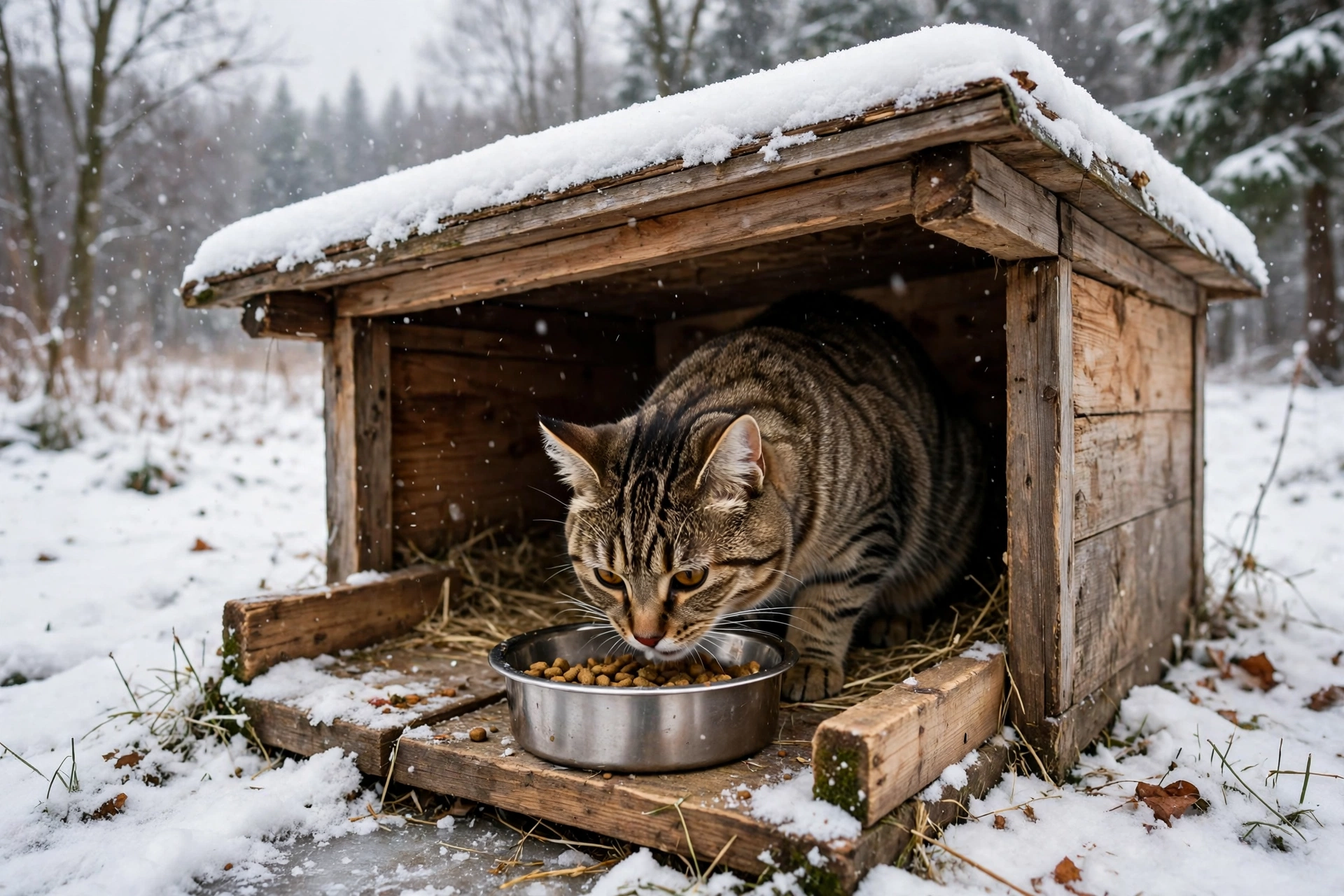
Outdoor cats are a different story: feed them a little more, and put the food outside the shelter, so the smell does not draw other animals in. Alley Cat Allies suggests fresh food and water daily, or twice daily, and a sheltered feeding station keeps food, water, and the cats out of the weather. Feeding a little extra is a small, cheap part of how to keep cats warm in winter, and it makes a real difference to a cat spending the night outside.
6. Building an outdoor shelter that’s too big, on the ground, or facing the wind
This section is for community cats — strays and feral cats that live outdoors and cannot come inside. Alley Cat Allies puts it plainly: they are well adapted to outdoor life, and they still do better with a little help.
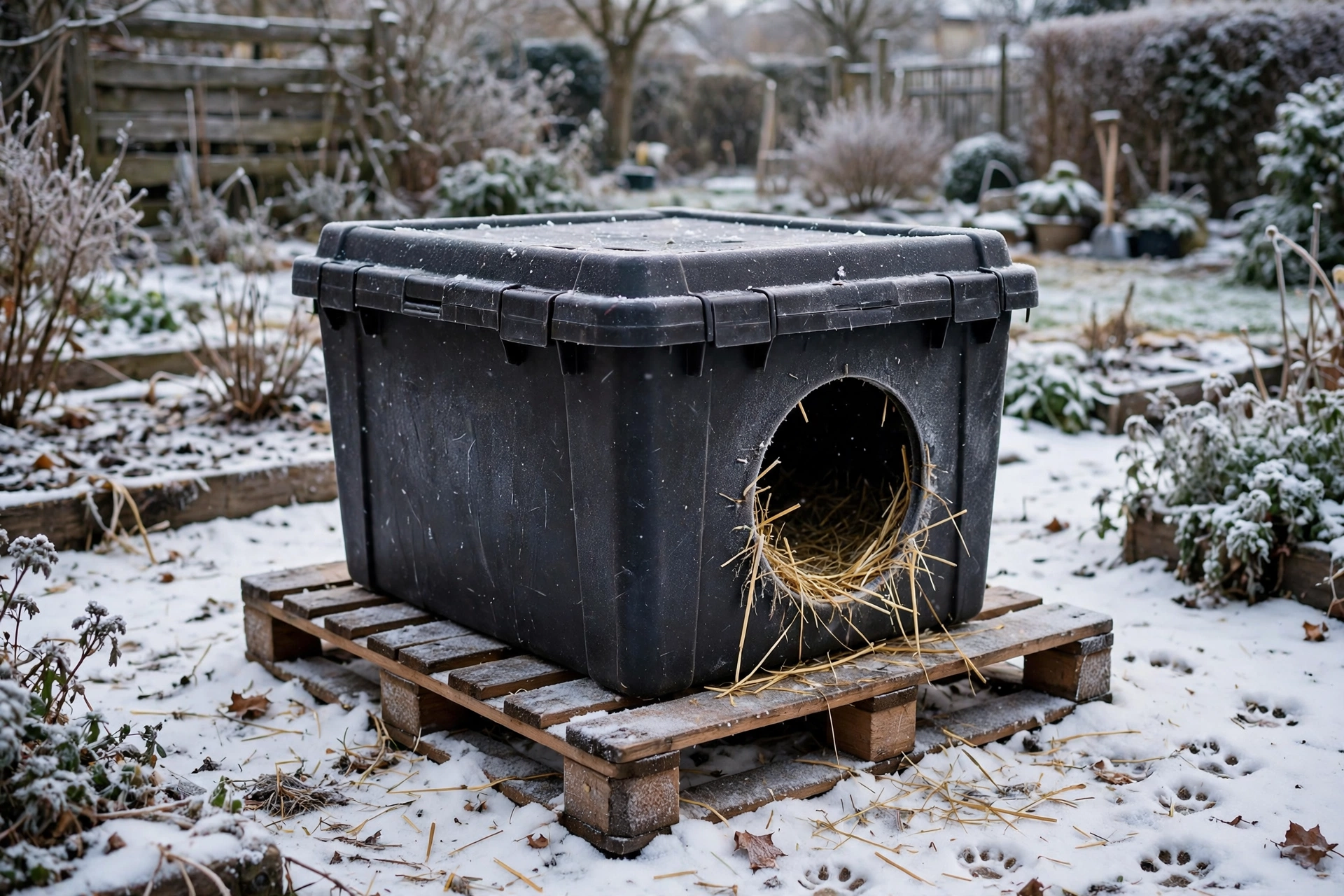
A good outdoor shelter is small, insulated, raised off the ground, and out of the wind. A shelter of about 2 by 3 feet and at least 18 inches high holds three to five cats, and a smaller one for one or two cats is warmer still. Bigger is colder.
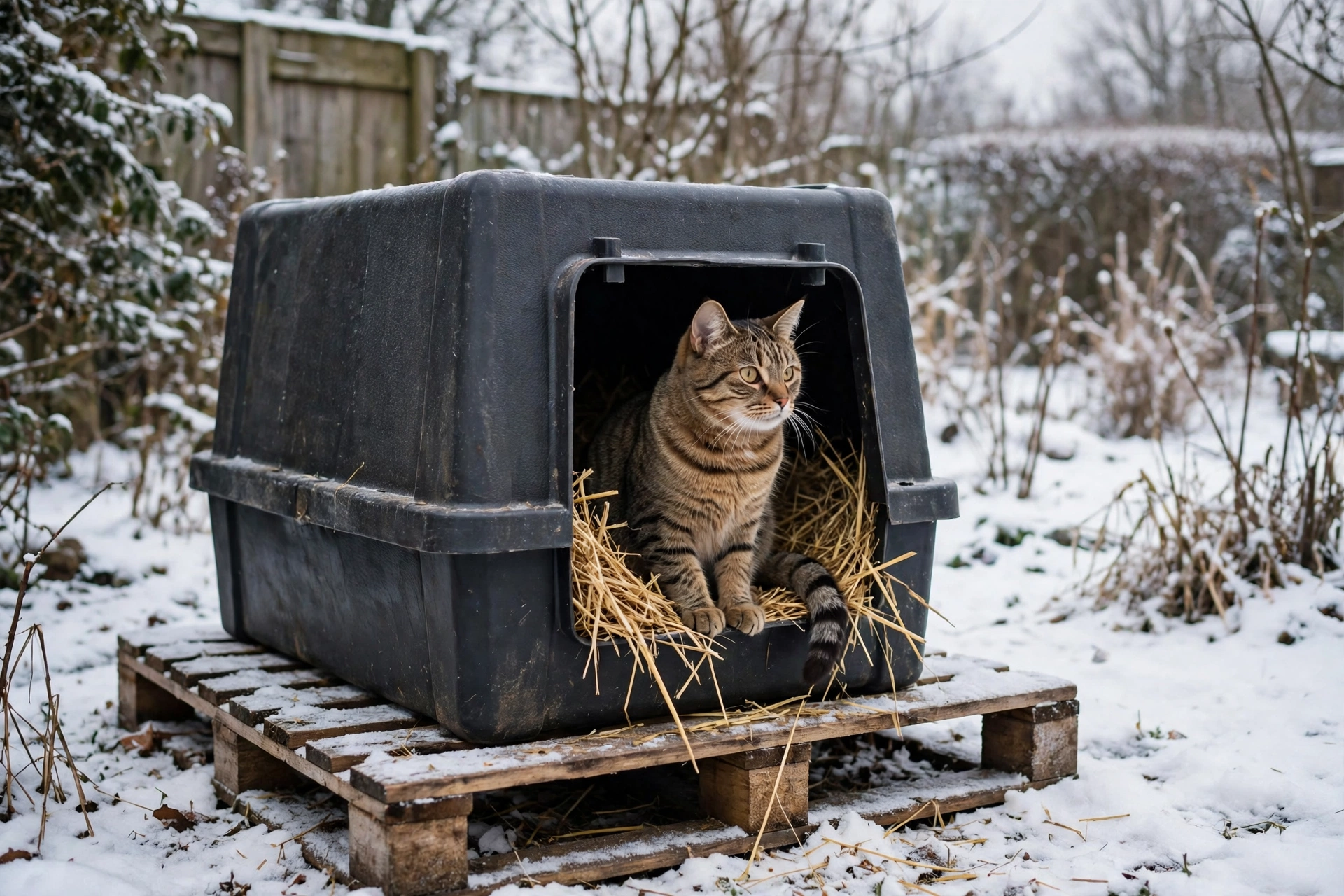
A large plastic storage tote with a cat-sized doorway works well, as does a sturdy foam cooler. Line the walls with foam board, and raise it off the cold ground on a pallet or bricks — Cornell recommends this so body heat is not lost into the earth. Cut the doorway six to eight inches wide, a few inches up from the floor, facing away from the prevailing wind. Get the shelter right and you have done the hardest part of how to keep cats warm in winter for an outdoor cat.
7. Using blankets, towels or hay instead of straw
This is the detail people get wrong most often. Fill the shelter with straw: it repels moisture, insulates, and lets a cat burrow in and stay warm. Never use hay — it soaks up moisture, gets wet and cold, and can mold. Never use blankets, towels, or folded newspaper either: they soak up moisture and freeze. Cornell says to avoid newspaper, cloth, and hay, and International Cat Care says folded blankets or towels will make the cat colder, not warmer.
Blankets are fine indoors. Outdoors, straw is the bedding: pack it loosely, about a third to halfway up the inside walls, and swap it out when it gets damp or dirty.
8. Leaving antifreeze where a cat can reach it
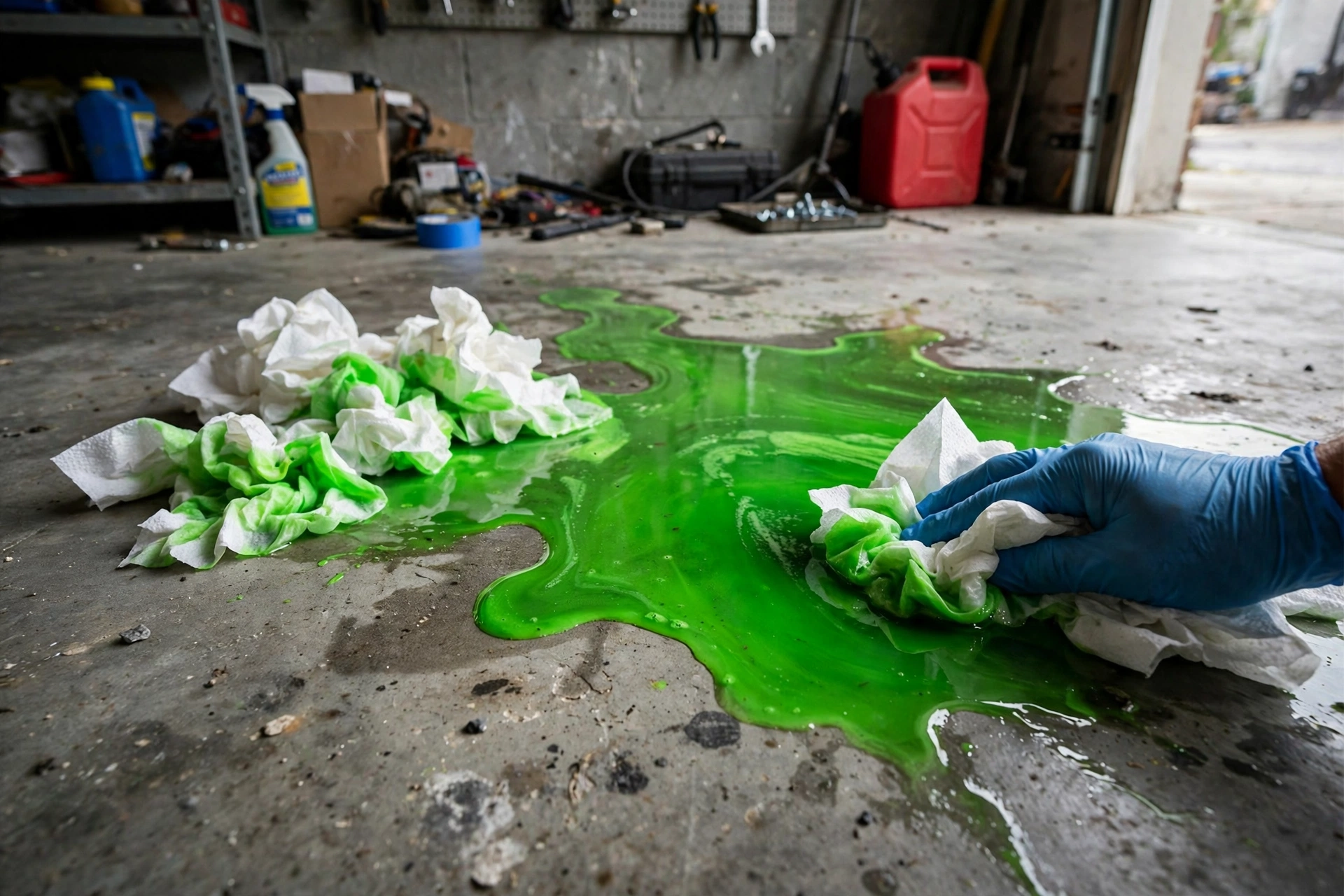
Cold itself is only part of winter, and antifreeze is the most dangerous part of it. Cornell calls antifreeze extremely toxic to cats if ingested, and warns that its sweet taste attracts them. The ASPCA says the same: antifreeze is lethal for dogs and cats, and even small amounts can kill.
Clean up any spill from a vehicle immediately, store containers tightly closed and out of reach, and consider products made with propylene glycol, which the ASPCA describes as a safer option than ethylene glycol. If you think your cat has licked antifreeze or any other poison, call your veterinarian or the ASPCA Animal Poison Control Center at (888) 426-4435 right away — treatment works best when it starts quickly. Cats that lick or chew at strange substances are following their nose.
9. Forgetting to wipe your cat’s paws after snow and salt
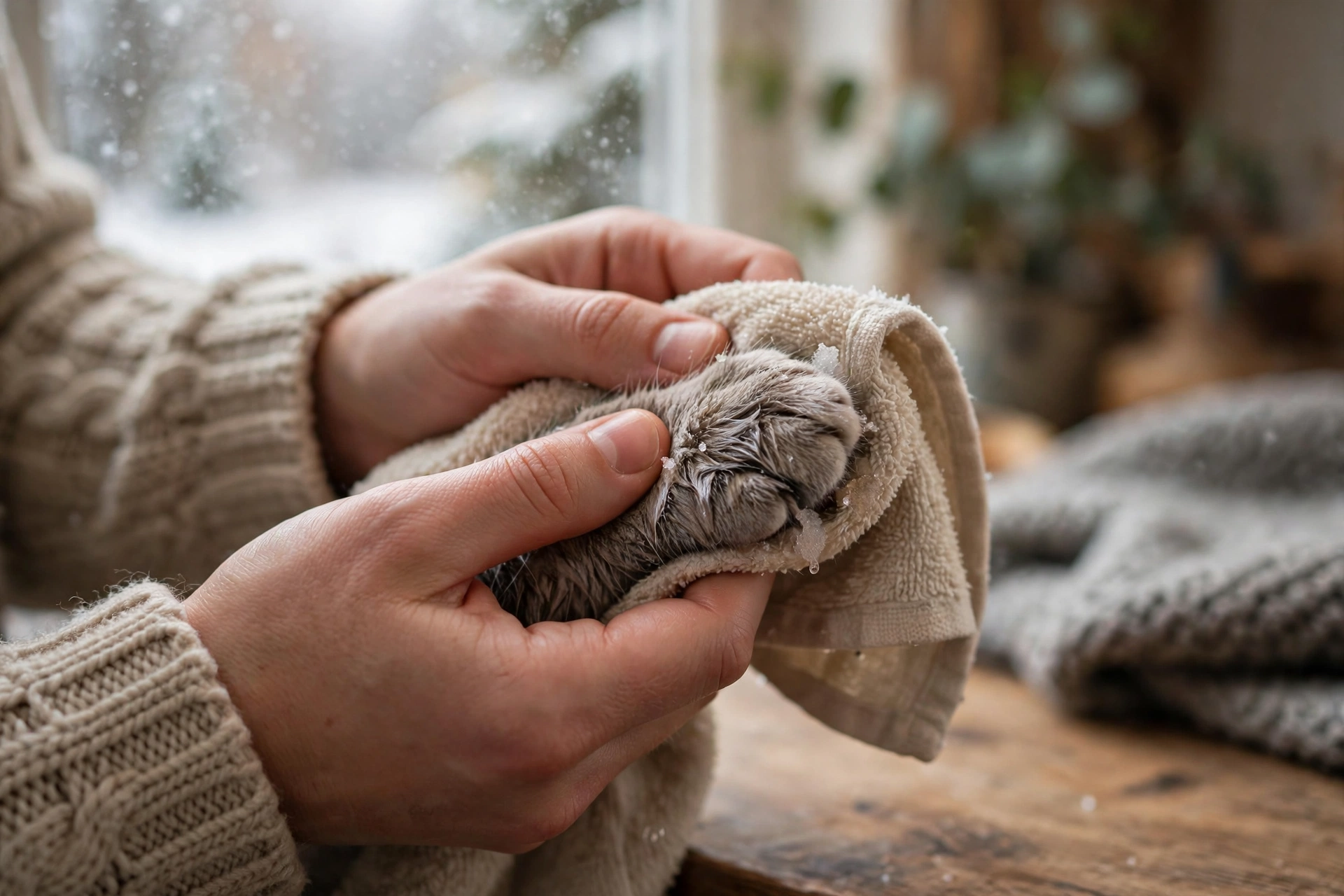
De-icing salt and chemical ice melts can irritate a cat’s paws and are dangerous if swallowed when the cat licks its feet clean. The ASPCA advises washing and drying your pet’s feet and stomach after coming in from snow or ice, and checking for cracks in the paw pads or redness between the toes.
Make it a habit every time the cat comes in: a quick wipe with a warm, damp towel, then dry the paws properly before the cat settles down to groom. A little petroleum jelly on the paw pads before going outside helps protect them, and booties help more for a cat that will tolerate them. Towel the cat dry as soon as it comes inside, too — wet fur stops insulating, and a damp cat chills fast even in a warm room.
10. Starting the car without checking the hood
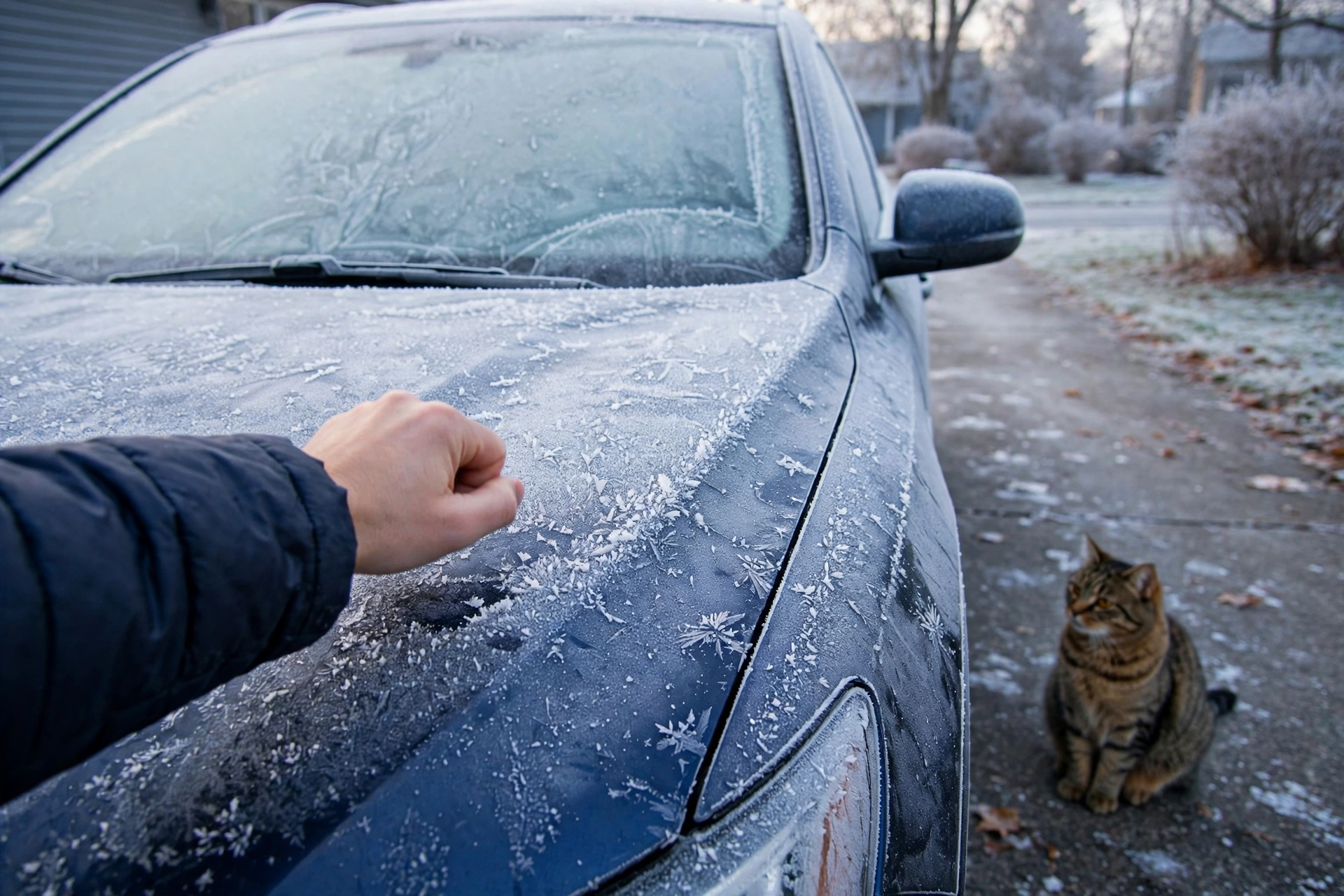
Outdoor cats shelter in warm engine compartments and wheel wells, and they can be seriously injured when a car starts. Cornell advises checking the wheel wells and either honking the horn or banging on the hood before starting the car, to give any cat sheltering there a chance to leave. The ASPCA gives the same advice.
11. Leaving a pet alone in a cold car
Never leave a pet alone in a car in cold weather. A car acts like a refrigerator in winter, holding in the cold, and a pet left inside can freeze.
It is the same mistake as leaving a pet cat outside in the cold, with the same fix: bring the cat inside. The ASPCA’s test applies here too — if it is too cold for you, it is probably too cold for your pet — so if the cat has to travel with you, keep the trip short, keep the car warm while you are in it, and never leave the cat waiting alone in a parked car while you go inside.
12. Treating kittens, seniors, sick, thin and hairless cats like healthy adults
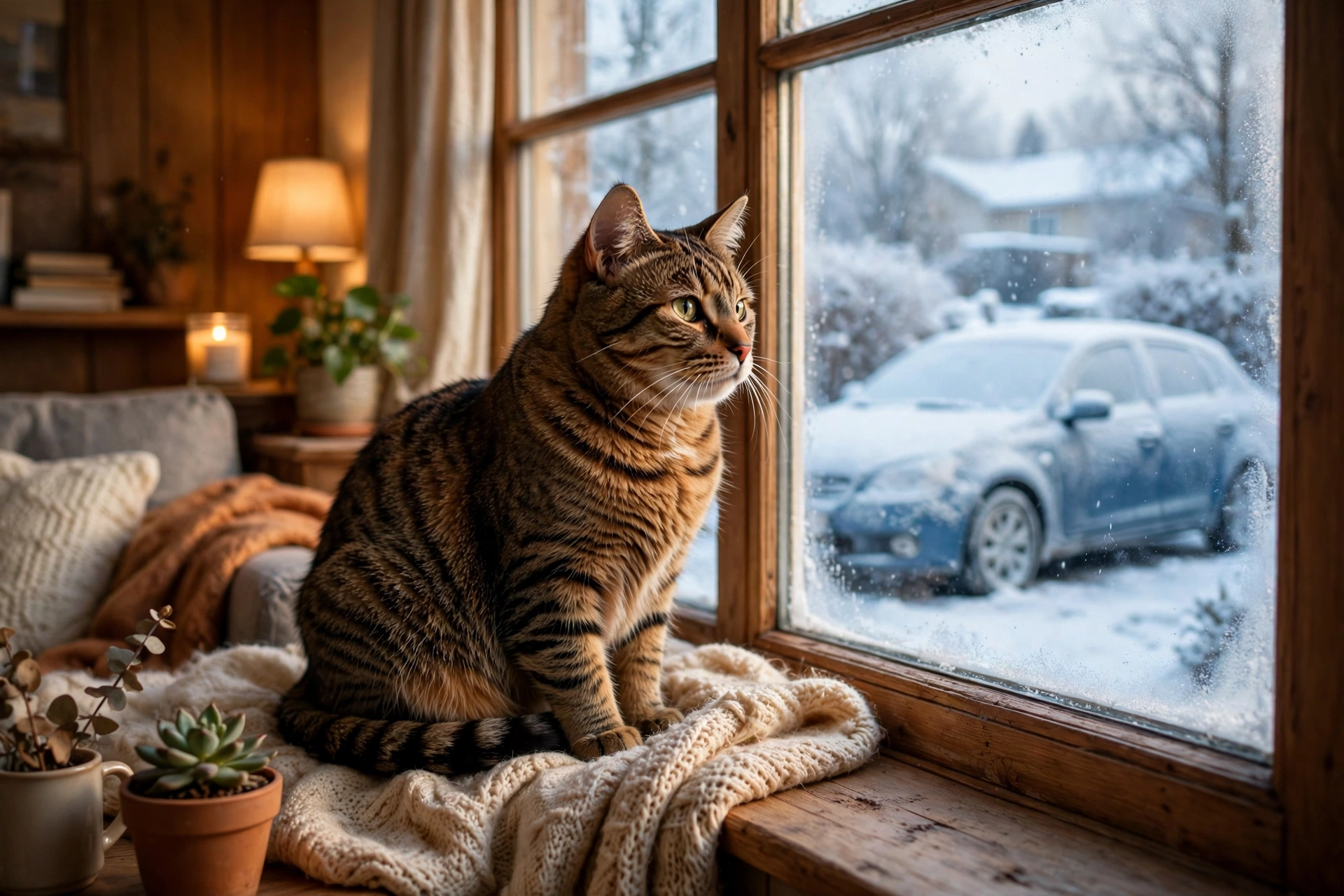
Some cats feel the cold sooner. Kittens, older cats, sick cats, thin cats, and cats with very short coats or no fur chill fastest — and so do inactive cats and cats that have lost muscle or weight. International Cat Care adds that arthritic cats especially appreciate extra warmth. If your cat falls into any of those groups, winter care is not optional.
Give these cats the warmest spot in the house: a raised, enclosed bed away from drafts, with a sunny resting place by day. A self-warming mat is a good choice here — it reflects the cat’s own body heat back, needs no electricity, and has no cable to chew — or a microwavable heat pad under part of the bedding, so the cat can move off it.
Never place an electric heating pad directly on a cat, especially one that sleeps deeply or gets up slowly. And if a vulnerable cat seems cold, hunched, weak or unusually sleepy despite a warm bed, call the vet rather than waiting to see. That is the most important part of how to keep cats warm in winter: act early, before a chill becomes an emergency.
How to tell if your cat is too cold — and what to do
A cat in real trouble looks different from a chilly one. Knowing how to keep cats warm in winter means knowing how to tell the difference.
Signs to take seriously: shivering that does not stop once the cat is somewhere warm; a body that feels cold to the touch; a hunched, tucked-in posture that does not relax; weakness, wobbliness, or unusual sleepiness; and slow or shallow breathing. Frostbite most often affects the ears, nose, and paws — check those first. If you see several of these signs together, treat it as urgent.
What to do: Bring the cat inside and dry it off. Wrap it in warm, dry towels or blankets, or use your own body heat. A warm — not hot — water bottle wrapped in a towel, placed beside the cat, helps. Then call your veterinarian.
Do not use a heating pad directly on the cat, and do not use a hair dryer: both can burn, and a frightened cold cat will not sit still for either. Warm the cat gradually, and let the vet decide what comes next. A vet will check body temperature — veterinary references put a normal adult cat’s at 100.5–102.5°F, and describe a reading below 99°F as an emergency — which is why a cold, limp cat needs a vet now, not a wait-and-see approach.
If you are ever unsure, call your vet and describe what you see — knowing the signs that something feels off before winter makes that call easier. Learning the warning signs now is one of the most useful parts of how to keep cats warm in winter.
Frequently asked questions
Do indoor cats get cold in winter?
Yes, they can — especially kittens, older cats, sick cats, and cats with thin or very short coats. A healthy adult cat in a heated home is usually fine with a warm bed off the floor and away from drafts. If your cat spends all winter curled tight in one warm corner, the house may be colder than you think.
What temperature is too cold for cats?
As a caution point, most cats start to feel uncomfortable below about 45°F (7°C), and below freezing every cat risks frostbite and hypothermia with long exposure. The simplest test is the ASPCA’s: if it is too cold for you, it is probably too cold for your pet.
Can I put a blanket in my outdoor cat’s shelter?
No. Blankets, towels, and newspaper soak up moisture, freeze, and make the cat colder. Use straw instead — it repels moisture, insulates, and lets the cat burrow. Hay looks similar but is not the same: hay holds moisture and can mold. Straw is the outdoor bedding; blankets belong indoors.
Is it safe to use a heating pad for my cat?
Only with care. Never place a heating pad directly on a cat — it can heat up over time and cause burns, especially in older or sick cats that sleep deeply. A safer choice is a self-warming mat, which reflects the cat’s own body heat and needs no electricity, or a microwavable pad under part of the bedding so the cat can move off it.
How do I keep my outdoor cat’s water from freezing?
Check it daily and refresh it, use a heated water bowl where you have outdoor power, or use thick plastic bowls rather than shallow ceramic ones, which freeze faster. A sheltered feeding station keeps food and water out of the weather, and fresh food and water twice a day beats letting leftovers freeze.